Our approach
How basis becomes structure.
Every acquisition answers one question before any other: why does this basis exist? With a credible answer, the return case is structural - not speculative.
Discuss a mandateWhy does this basis exist?
The answer is almost always a specific, resolvable condition: maturity pressure, capital-stack stress, a sponsor in transition, vacancy drag, an obsolete use, a recapitalization need, partner misalignment, or a non-core institutional disposition.
Without a credible answer, the underwriting is incomplete. With it, the return case is structural.
The asset model
Pathways to value
Rent mark-to-market
Lease-up
Tenant remix
Capital-stack reset
Use conversion
Zoning enhancement
Amenity upgrade
Brand elevation
Capital structure
Outside open-market competition
Foundation New York reaches assets through mechanisms that sit entirely outside marketed processes.
- Direct equity acquisition at a distressed basis
- Preferred equity and mezzanine
- Debt acquisition
- Purchase of an LP interest
- Recapitalization for fresh capital in exchange for control rights
- Joint-venture formation with owners who lack capital or execution capability
Zoning
Four capture mechanisms
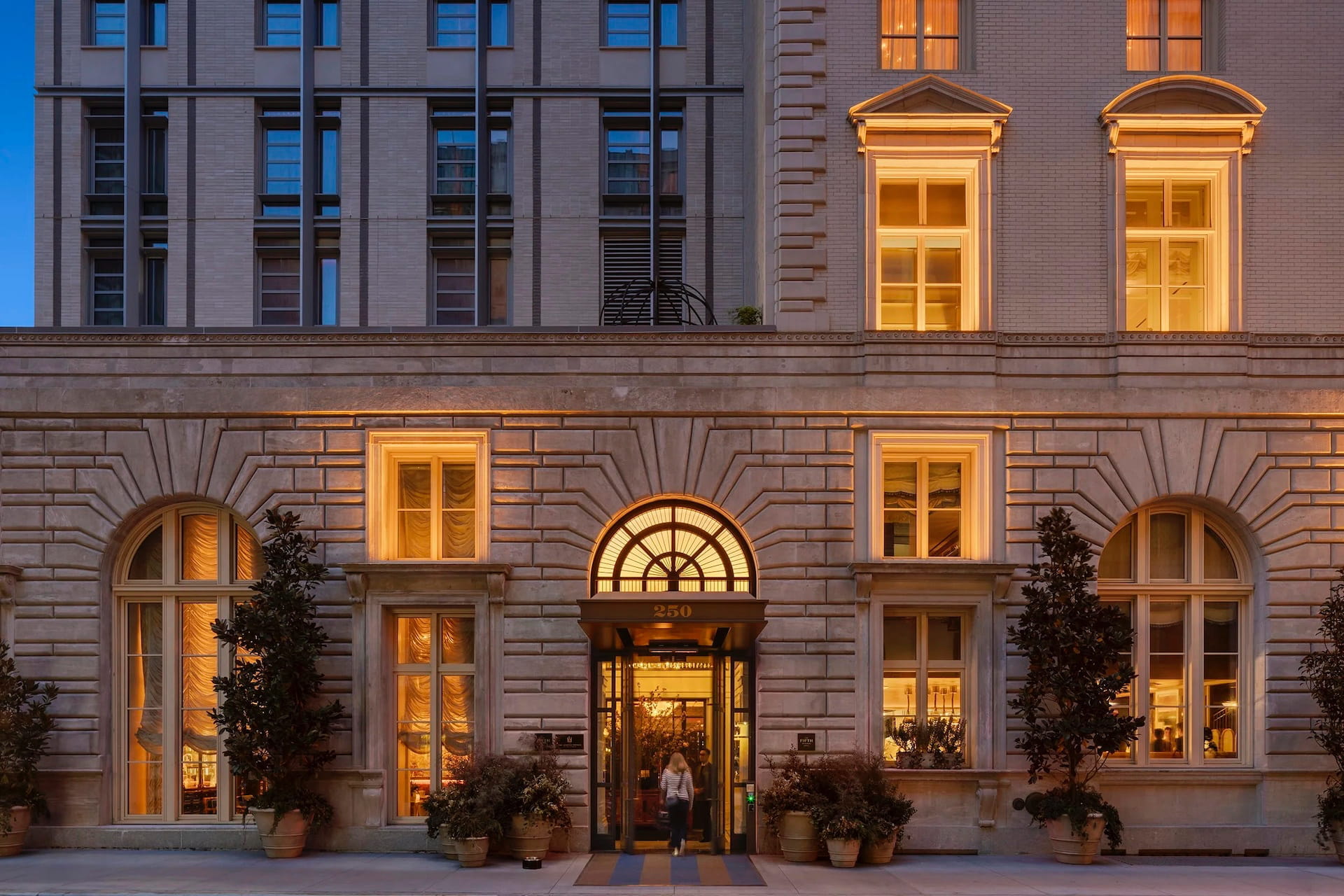
On zoning, value is captured with capability forged through process depth - including the full Landmarks Preservation Commission path at 250 Fifth Avenue.
- 01Office-to-residential conversion compliance and incentive capture
- 02Air rights acquired and transferred
- 03Special permits and variances
- 04Landmark and historic-preservation navigation
Where we deploy
Six institutional lanes
Each lane is defined by a specific basis condition - not by asset marketing categories.

- 01
Institutional multifamily
In supply-constrained Manhattan corridors.
- 02
Conversion
Office-to-residential and mixed-use candidates where the basis reflects office impairment rather than residential potential.
- 03
Sciences
Life sciences conversion candidates where laboratory rents at a multiple of achievable office rents produce returns straight office cannot approach.
- 04
Transitional
Prime office in strong submarkets where leasing underperformance or capital-structure stress has created a basis that misreads long-term demand for the location.
- 05
Mixed-use
Trophy assets whose location and institutional identity carry a permanent premium - taken off-market when a specific circumstance opens a door no marketed process would.
- 06
Capital-structure
Entries through debt acquisition, preferred equity, LP-interest purchase, and recapitalization.

The BRRRR strategy
Compounding the same equity
Acquire at a dislocated basis, execute the business plan the asset requires, stabilize, refinance against institutional value - recovering acquisition capital and repositioning investment - then redeploy. The same equity works across several assets at once. That is the compounding mechanism.
- BBuyDislocated basis
- RRenovateConversion · reposition
- RRe-letLease · tenant remix
- RRefinanceInstitutional value
- RRecycleRedeploy equity
Platform standards
Five institutional requirements
Every transaction satisfies the standard of the most demanding capital in the world.
- 01
A specific, credible answer to why the basis exists.
- 02
Conservative underwriting with real scenario sensitivity.
- 03
A defined capital structure - governance rights, distribution waterfall, and downside protection agreed before any co-investor participates.
- 04
Multiple value-creation pathways, including at least one documented alternative to the primary plan.
- 05
Full institutional reporting and transparency.