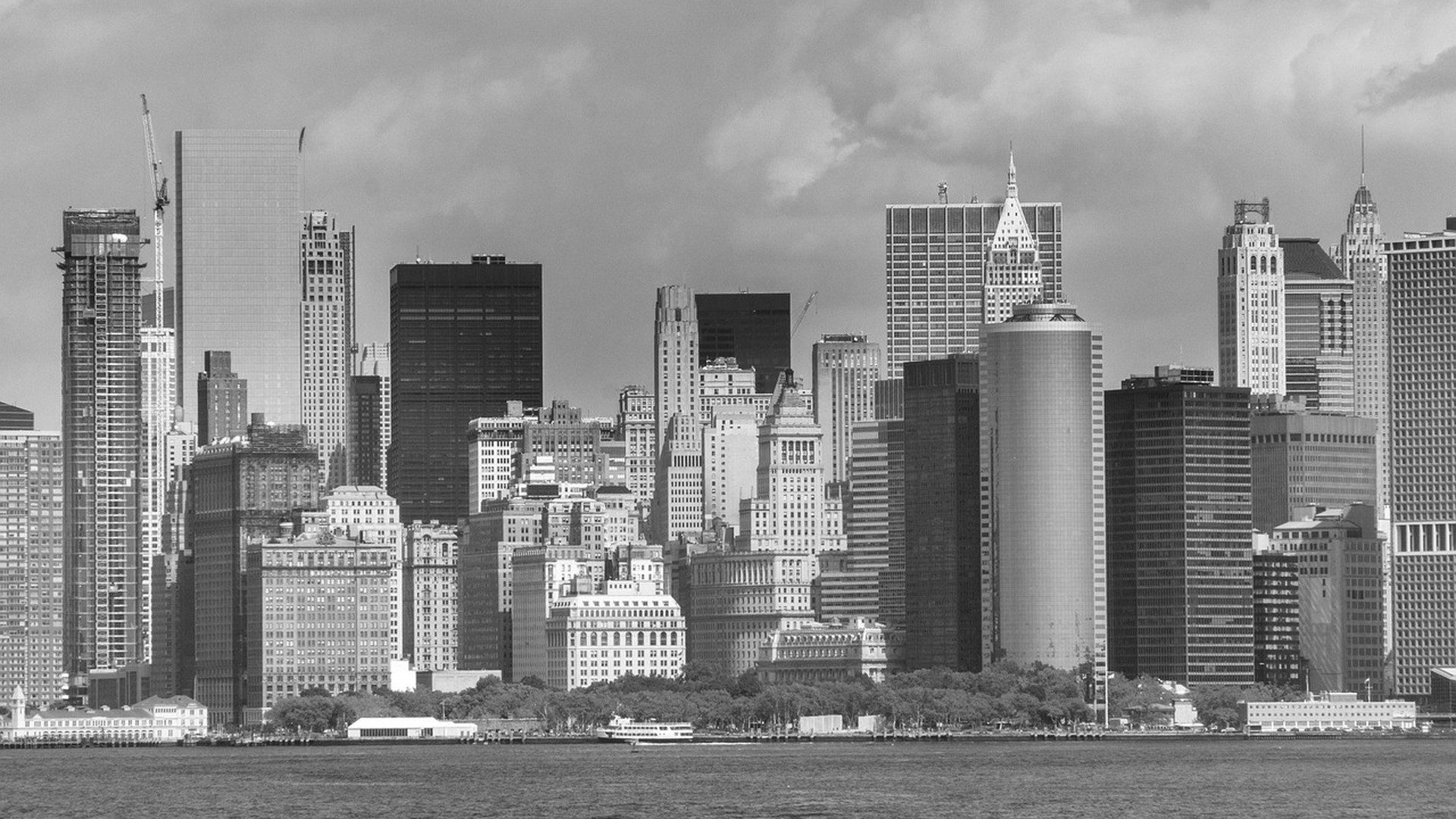
New York City property activity now splits along a sharp line. Residential commercial demand NYC tracks two speeds at once: households still hunt for places to sleep and cook, while firms keep shrinking or relocating their desk footprints. Foundation readers who watch both sides can see how that gap affects pricing, vacancies, and new construction more clearly than any single headline.
Homes Fill Faster Than Desk Floors Across the Five Boroughs
Apartment seekers and condo buyers keep competing for limited stock. Online listings that once sat for months now draw multiple offers within days in several neighborhoods. The pull comes from population recovery after the pandemic dip, continued remote-hybrid schedules that make living space more valuable, and a long stretch of under-building relative to household formation. Commercial side numbers tell another story. Many Class B and C office buildings report occupancy levels well below pre-2020 norms, especially outside the most prestigious midtown towers.
Retail corridors experience mixed results. Streets with heavy residential density still see lively storefront leasing, yet corridors that once thrived on weekday office lunch traffic remain quieter. The difference shows up in asking rents, free-rent periods, and the length of time a unit sits vacant before a lease is signed. Residents generate daily demand that does not vanish when hybrid work becomes permanent. Desk-based tenants can and do consolidate floors or abandon entire leases.
Price Gaps Between Living Spaces and Business Premises Keep Widening
Sale prices for well-located residential units have recovered more of their earlier gains than equivalent commercial assets. Inventory remains tight enough that even modest new supply is absorbed quickly. On the commercial side, sellers of older office buildings often face wider bid-ask spreads. Buyers price in the capital needed for renovations, the risk of further tenant exits, and the higher cost of financing those deals. Cap rates for many commercial properties have expanded while residential capitalization rates stay comparatively compressed.
Rental markets echo the same pattern. Effective residential rents, after concessions, have climbed in most boroughs. Office landlords, by contrast, continue offering generous free-rent months and tenant improvement packages simply to keep occupancy from sliding further. Foundation analysis of recent transactions shows that the residential commercial demand NYC imbalance is no longer temporary; it has become a multi-year feature of the local market.
Interest Rate Pressure Hits Commercial Borrowers Harder
Borrowing costs remain elevated compared with the decade before 2022. Residential buyers still close deals because loan sizes are smaller and underwriting standards for home mortgages have not shifted as dramatically. Commercial borrowers face steeper rate resets on floating-rate debt and far more scrutiny when they refinance. Many office loans originated near the previous cycle peak now approach maturity with values below original loan amounts. That pressure feeds the Manhattan Real Estate in 2026: Office Dislocation and the Debt Maturity Wave narrative that dominates current investor conversations.
Data from the Federal Reserve Bank of New York and broader guidance from the US Federal Reserve keep markets focused on how long higher rates will last. Residential demand proves more resilient to those rate levels because shelter is a necessity. Commercial demand, being discretionary and tied to headcount, reacts faster when capital becomes expensive. Readers who track Currency and Macro Trends Shaping New York Property Returns will recognize how global rate expectations and dollar strength feed directly into local underwriting models.
Foot Traffic Reveals Where Daily Life Still Concentrates
Walk any residential block in the evenings or weekends and you will see people using the streets, the corner stores, and the parks. That consistent human presence supports neighborhood retail, services, and even small office users who serve local customers. Many traditional business districts, by comparison, empty out after 5 p.m. and remain quiet on Fridays. Subway turnstile data and mobile-phone location reports continue to document the gap between residential zones and pure office corridors.
Landlords of mixed-use buildings with a large residential component therefore enjoy more stable foot traffic for their ground-floor tenants. Pure commercial towers must invent amenities and programming simply to attract workers back a few days a week. The divergence also shows up in tax assessments and in the willingness of lenders to underwrite new construction. Housing-supported retail continues to clear underwriting hurdles that pure office projects now struggle to meet.
Zoning and Conversion Rules Begin to Tip Toward Housing
City officials have spent years debating how to turn underused commercial structures into apartments. Recent rule changes and proposed expansions of conversion eligibility aim to increase housing supply without starting every project from raw land. Those efforts appear in the detailed review of City Housing Policy and Its Impact on Conversion Supply. Official information from the City of New York tracks the applications already in the pipeline and the neighborhoods most likely to benefit.
Conversion is not free or simple. Older buildings often lack the light, air, and plumbing configurations that modern apartments require. Yet each successful conversion permanently removes commercial square footage from the market and adds residential stock. That one-way shift further cements the residential commercial demand NYC imbalance. Investors who once specialized only in office assets now study residential exit strategies more carefully than before.
Pockets of Commercial Strength Still Exist and Deserve Attention
Not every commercial segment is weak. Life-science tenants continue to expand lab and research space, especially near existing academic and medical clusters. That specialized demand is mapped out in How Life Sciences Is Driving Real Estate Demand in Manhattan. Separately, power-hungry computing and data facilities chase locations with robust electrical infrastructure, a trend examined in AI Infrastructure Demand Is Reshaping New York's Real Estate Map. Both categories pull commercial dollars into specific buildings and districts even while general office space remains soft.
Large master-planned districts also create their own gravity. Ongoing work around Inside Hudson Yards and West Side Development for 2026 shows how integrated residential, retail, and selected office components can still attract capital when the residential base is strong enough to support amenities and daily activity. Pure speculative office towers without such anchors face a steeper climb.
Where Investors and Residents Can Watch the Split Unfold Next
The next several years will test how long the residential advantage lasts. New housing supply, interest-rate paths, and the pace of commercial loan workouts will all matter. Readers who want continuous updates can browse the full New York Real Estate Market Trends archive for earlier context and quarterly refreshes. Practical questions about ownership structures, taxes, or market timing often appear in the FAQ (frequently asked questions) section.
Foundation coverage treats residential commercial demand NYC as an ongoing comparison rather than a finished story. Households will keep needing roofs. Companies will keep recalculating the size of their desks. The market that serves both will continue to price that difference into every lease, every sale, and every construction start across the five boroughs.
A last practical note on Residential Versus Commercial Demand in Today's New York Market: keep a short written version of the claim, the date it was checked, and one example from New York. Those three lines prevent the next conversation from restarting at zero.
Related Foundation reading: Track record.
Timeless Value. Perpetual Legacy.