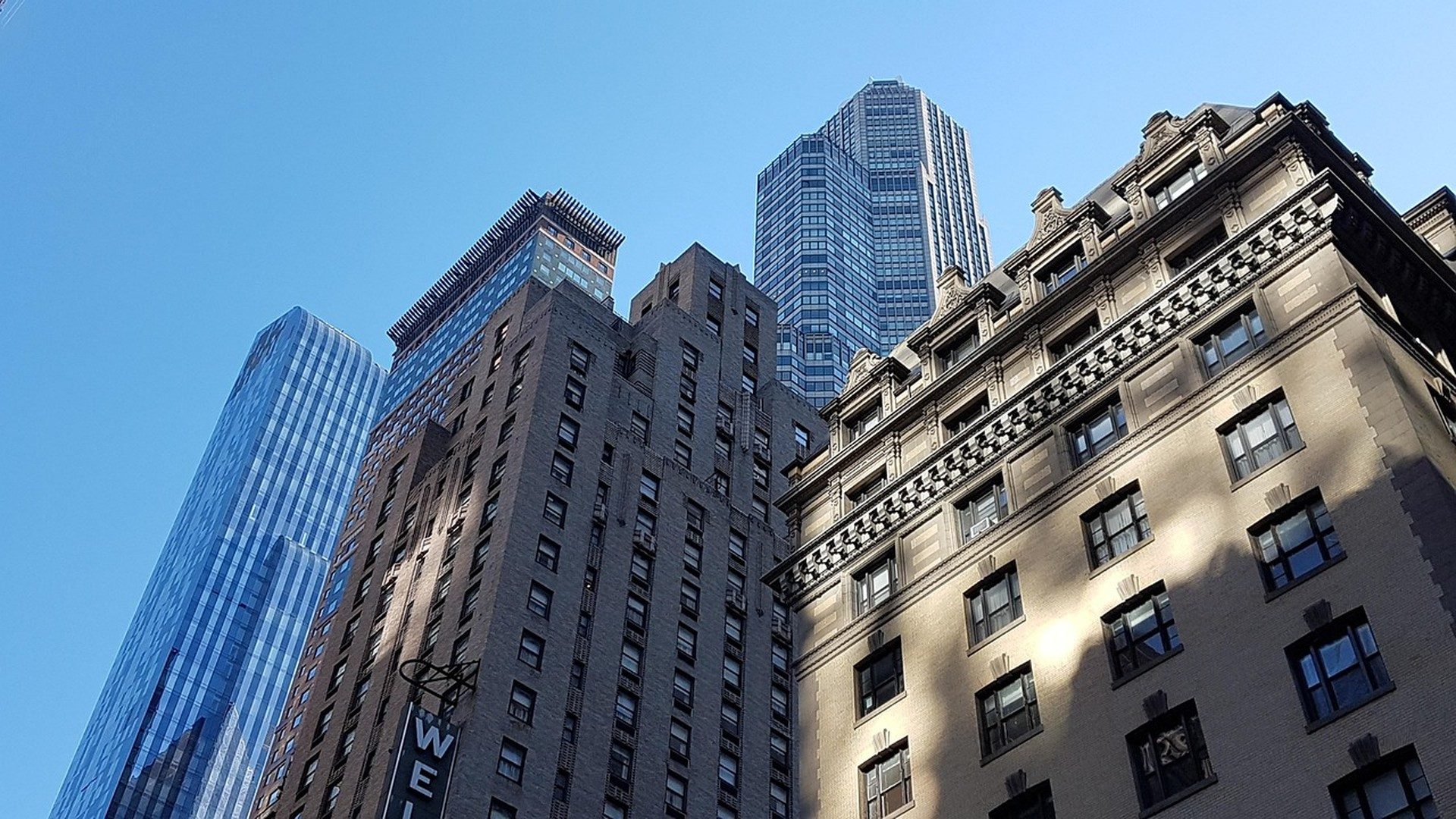
Midtown South sits between 14th and 34th Streets, west of Fifth Avenue, and it has quietly become a testing ground for how life sciences teams source glassware, reagents, cold-chain packaging, and biosafety equipment without leaving Manhattan. Foundation tracks this corridor because lab supply decisions here often hinge on real estate vacancies, last-mile truck access, and conversion projects that turn old loft floors into controlled environments. Three markets inside the same district Chelsea, the Garment District core, and the Flatiron fringe offer distinct lessons on speed, cost, and reliability.
Operators who treat Midtown South as one uniform zone miss the fine differences that decide whether a pipette tip order arrives same day or next week. The following sections walk through concrete supply patterns drawn from those three sub-areas so non-experts can see how building stock, street geometry, and nearby tenants shape everyday procurement.
Mapping Midtown South for Lab Equipment Flow
Streets in Midtown South run narrow and often one-way, which forces delivery vans to stage on side avenues or double-park during loading windows. Life sciences buyers who need sterile consumables learn quickly that elevator banks in pre-war lofts limit pallet size, while newer conversions near Hudson Yards allow wider freight elevators. The City of New York publishes curb-use rules that change by block, and those rules determine whether a supplier can schedule morning drops without fines.
Local brokers report that companies leasing 5,000 to 15,000 square feet of wet-lab space now demand loading docks within two blocks. That demand raises rents on the few buildings that still possess ramps, and it pushes pure office landlords to add dock space when they convert floors. Readers can follow related vacancy and conversion data inside the New York Real Estate Market Trends archive to see how quickly supply of dock-equipped floors has tightened.
Chelsea Market Adjacencies and Sterile Packaging Runs
Chelsea’s food-hall density and remaining light-manufacturing pockets create an unexpected advantage for sterile packaging. Vendors who already wrap perishable goods for restaurants can retool lines for autoclave bags and vial sleeves with shorter lead times than distant industrial parks. One mid-size biotech tenant told Foundation that switching a weekly packaging run from New Jersey to a Chelsea loft cut transit damage by nearly half because the truck never left the island.
Rents for those lofts still sit below Midtown core averages, yet they track upward when tourist foot traffic rebounds. The same tenant also noted that evening loading is quieter on Tenth Avenue than on Broadway, giving drivers more predictable curb time. For teams comparing secondary locations, the pattern resembles the capital shifts described in Capital Recycling Across New York's Emerging Secondary Submarkets.
Garment District Conversions Supplying Biosafety Cabinets
Between 34th and 40th Streets west of Seventh Avenue, former showroom floors now house light-assembly shops that crate and test Class II biosafety cabinets. Because the cabinets arrive partially knocked down, the final assembly and certification can occur inside the same building that will later store spare HEPA filters. This co-location trims weeks from traditional warehouse-to-lab shipping calendars.
Power capacity remains the limiting factor; older risers often need upgrades before continuous blower motors can run. Landlords who complete those upgrades can charge premium storage fees that still undercut suburban rates once trucking and bridge tolls enter the math. Observers watching debt schedules on trophy assets will find parallel financing questions in Trophy Asset Refinancing Ladders: Global Market Comparison.
Flatiron Edge Storage for Reagent Delivery Networks
South of 23rd Street the Flatiron edge offers smaller floor plates that suit temperature-controlled micro-warehouses. Reagent distributors stock dry-ice shippers and insulated coolers here because the short hop to East Side hospitals and West Side research floors keeps product within validated temperature windows. One distributor reported that three same-day routes now cover the entire corridor with two vans instead of four, simply because staging sits inside the demand circle.
Lease terms in these buildings often include short-notice expansion rights, useful when a clinical trial suddenly scales. Buyers should still check sprinkler coverage and floor-load ratings before committing, details that appear in many conversion checklists published by the Federal Reserve Bank of New York when it surveys commercial building readiness.
Cost Structures That Differed in Each Market Snapshot
Chelsea packaging runs carried higher base rents but lower damage claims and shorter cycle times. Garment District cabinet assembly saved freight but required capital outlays for electrical upgrades. Flatiron micro-storage posted the lowest square-foot cost yet the highest turnover of short-term leases, forcing more frequent re-negotiation. When Foundation compared total landed cost for a standard quarterly consumables order, the Flatiron option won on pure dollars while Chelsea won on reliability scores.
Labor availability also varied. Chelsea could draw warehouse workers from nearby residential blocks; the Garment District relied more on subway-commuting technicians; Flatiron attracted part-time students. Those differences affect overtime rates when an unexpected shipment arrives after 6 p.m. Readers tracking spillover pricing can review the questions posed in FAQ: Which Data Points Matter Most for New Jersey Spillover Effects on Manhattan.
Real Estate Pressures That Force Supply Chain Rethinks
Office vacancy in Midtown South remains elevated relative to pre-pandemic norms, yet conversion of those floors into lab-ready space is uneven. Landlords face debt maturities that limit appetite for heavy capital improvements, a dynamic examined in Manhattan Real Estate in 2026: Office Dislocation and the Debt Maturity Wave. As a result, life sciences tenants sometimes accept temporary storage in older buildings while waiting for fully upgraded suites.
Zoning overlays further shape outcomes. Some blocks allow light manufacturing by right; others require special permits for chemical storage above certain volumes. The US Federal Reserve notes that regional credit conditions influence how quickly owners fund those permit-driven upgrades. Teams that ignore the overlay map risk delayed deliveries when a supplier cannot store flammable solvents on site.
Practical Takeaways for Buyers Scouting Midtown South
Start by walking the three markets at delivery hour; note curb congestion, elevator wait times, and dock height. Request utility capacity letters early so electrical and chilled-water needs do not surface after lease signing. Compare total landed cost rather than rent alone, because a five-dollar savings per square foot can vanish if two extra truck trips become necessary each week.
Cross-check neighborhood price movement against broader borough trends; the patterns shown in Brooklyn Real Estate Price Trends Across Neighborhoods often foreshadow Midtown South rent resets when capital rotates. Mixed-use pipelines farther north can also siphon labor, a point clarified in FAQ: What Should New Readers Know About Bronx Mixed-Use Development Pipeline?.
Finally, keep an open line to the Foundation FAQ (frequently asked questions) page for updates on conversion incentives and freight-access pilots. Midtown South will keep evolving as more office floors turn over, yet the core lesson from Chelsea, the Garment District, and Flatiron remains constant: match the supply node to the street geometry and the building’s physical constraints, and the life sciences lab supply chain stays both fast and resilient.
Readers comparing notes on Life Sciences Lab Supply in Midtown South Case Studies in New York should keep one dated source list and one named owner for updates so the next review of Life Sciences Lab Supply in Midtown South Case Studies does not restart definitions. Article reference newyork-372.
Timeless Value. Perpetual Legacy.