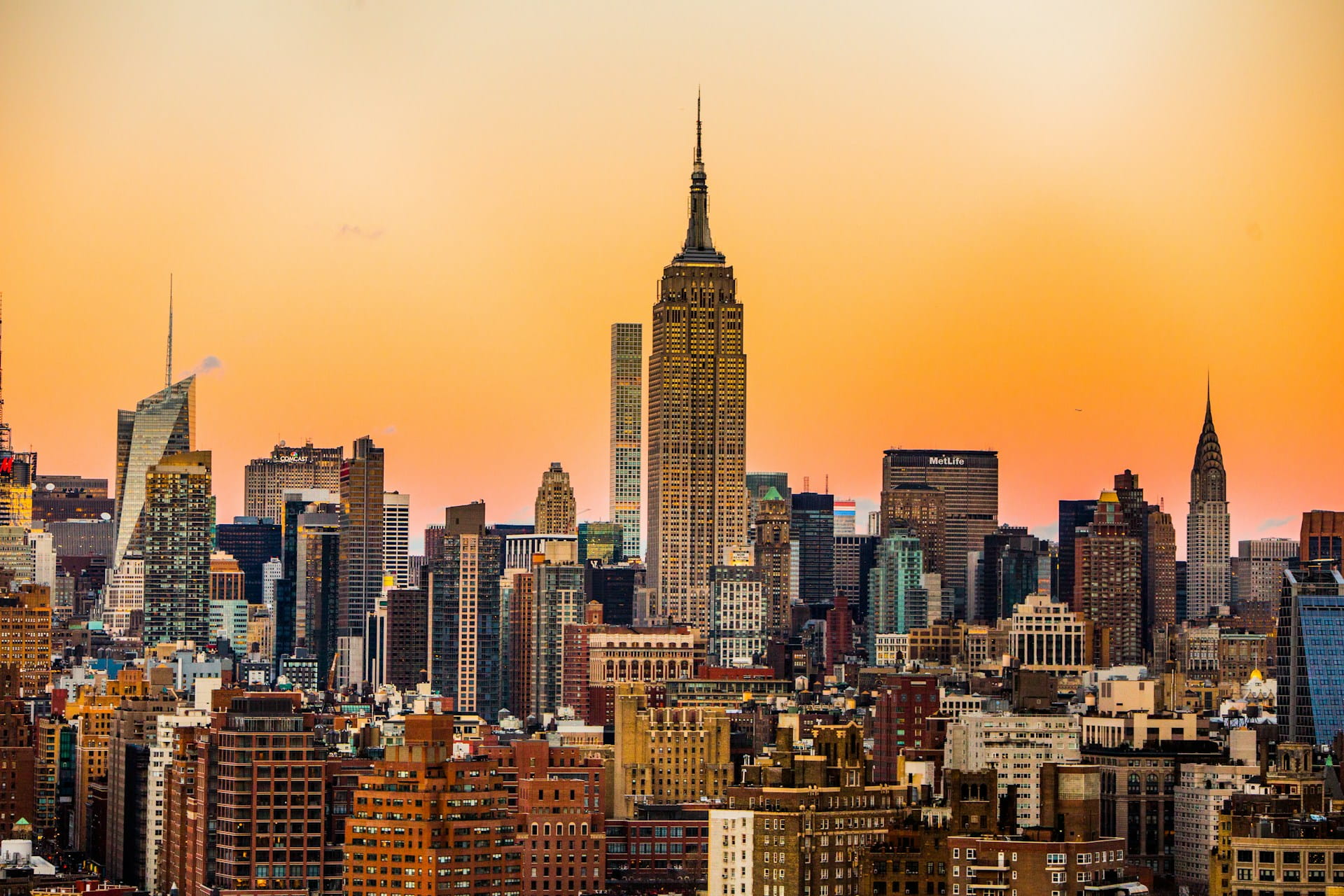
Capital recycling means selling or refinancing a property that has already produced returns, then steering the freed money into fresh deals. Across New York this practice is accelerating outside the familiar Manhattan towers, into secondary submarkets that still sit below the price peaks of the core. Investors who once chased Midtown office or prime Brooklyn waterfront now look at quieter blocks in Queens, the Bronx, and selected Staten Island corridors for the next cycle of growth.
Foundation tracks these movements because the city’s economy rarely rewards static ownership. When equity is locked inside a stabilized asset for too long, opportunity cost rises. Recycling keeps portfolios fluid and aligned with shifting tenant demand, infrastructure spending, and employment patterns that the City of New York reports each year.
Harvesting Gains From Core Holdings to Seed Outer Opportunities
Many New York owners begin the recycling process with assets that have reached peak occupancy or rental growth. A loft conversion in SoHo or a multifamily walk-up in the East Village may still generate solid cash flow, yet the remaining upside looks modest compared with emerging nodes farther out. Selling or taking a cash-out refinance releases equity that can be redirected without waiting for another decade of appreciation inside the same walls.
The decision is rarely emotional. Owners compare projected returns on the existing building against projected returns on a target secondary site, factoring in selling costs, capital-gains taxes, and the time needed to close both sides of the trade. Data from the US Federal Reserve on interest-rate trends helps set realistic debt costs for the new acquisition, while local absorption rates decide whether the secondary pocket can actually absorb the capital.
Queens Industrial Edges Ready for Equity Redeployment
Long Island City once dominated headlines, yet quieter industrial edges in Maspeth, Glendale, and College Point now attract recycled capital. Older warehouses convert into last-mile logistics or light manufacturing as e-commerce demand persists. Rents remain lower than waterfront loft rates, giving investors room to improve the asset and still meet return hurdles.
Recycling into these pockets often starts with a careful look at zoning overlays and freight access. A seller who just exited a Manhattan retail strip can place the proceeds into a 50,000-square-foot industrial building that needs only modest upgrades. Because the purchase price sits well below core benchmarks, the equity works harder. Readers seeking broader context can explore the Investor's Guide to Brooklyn's Real Estate Submarkets for parallel dynamics just across the river.
Bronx Residential Nodes That Absorb Fresh Capital
Several Bronx neighborhoods, Mott Haven, Melrose, and parts of Fordham, have seen steady private investment after years of public-sector housing and transit upgrades. Recycled capital arrives here mainly as mid-rise multifamily or mixed-use projects that replace under-used commercial parcels. Rents have risen, yet vacancy stays manageable, which reassures lenders and equity partners.
Investors who recycle into these nodes typically favor value-add strategies: light renovations, unit reconfiguration, or better ground-floor retail that serves the growing local workforce. Foundation has watched operators exit fully renovated Upper East Side co-ops and reinvest the gains into Bronx rentals where the unlevered yield still exceeds four percent after expenses. Research compiled by HUD User research on metropolitan housing markets supplies independent confirmation that secondary Bronx demand remains resilient.
Staten Island Corridors Opening for Recycled Investment
The North Shore and parts of the West Shore have long been overlooked by Manhattan-centric capital. Recent ferry expansions and zoning changes have begun to change that picture. Recycled funds find their way into townhouse clusters, small industrial parks, and even land parcels held for future mixed-use density.
Because pricing still lags most of the outer boroughs, a modest equity check can control a larger footprint. One common path is for an investor who sold a Queens multifamily building to acquire two or three smaller Staten Island assets, diversifying tenant risk while keeping the same overall capital outlay. The approach mirrors techniques discussed in the piece on Land Banking Strategy in New York's West Side Development Corridor, although the Island’s timeline often stretches longer.
Matching Exit Timing With Local Market Signals
Recycling works only when the sale of the first asset coincides with attractive entry pricing on the second. New York’s secondary submarkets do not move in lockstep with Midtown. Job growth in healthcare and education, for example, may lift Bronx residential rents months before office vacancies improve in Manhattan. Tracking those staggered signals prevents capital from sitting idle or entering a heated bidding war.
Operators monitor building permits, school enrollment, and small-business openings as early indicators. When those metrics turn positive and core asset prices still look elevated, the window for recycling opens. Global liquidity conditions described in IMF publications also influence whether foreign capital will compete for the same secondary assets, so timing remains both local and international.
Guardrails Against Overextension When Shifting Funds
Moving capital between boroughs introduces execution risk. Construction delays, unexpected environmental remediation, or tenant turnover can erode the projected gains. Successful recyclers therefore keep a cash reserve equal to at least twelve months of new-asset expenses and avoid stacking multiple simultaneous rehabs.
Legal structure matters as well. Entity-level refinancing, 1031 exchanges, and joint-venture agreements each carry different disclosure and reporting requirements overseen by the US Securities and Exchange Commission. Investors who treat recycling as pure portfolio management rather than pure speculation tend to survive market pauses better. For additional operational frameworks, the Smart Strategies archive collects case studies that illustrate these guardrails in practice.
Partnership Models That Accelerate Cycle Completion
Few individual owners possess both the exit-ready core asset and the deep knowledge of a secondary submarket. Partnerships close that gap. A Manhattan-focused family office might partner with a Bronx operator who already controls local construction crews and leasing networks. The recycled equity arrives as preferred capital, while the local partner contributes sweat equity and market insight.
Such arrangements often rely on off-market conversations rather than public listings. Understanding the nuances of those private deals is covered in detail at What Does Off-Market Really Mean in New York Real Estate?. Foundation itself was designed to surface these collaborative opportunities; more background appears in What Is Foundation New York and Why It Exists Now.
Readers building broader holdings across the five boroughs will also find value in the guide to Building a Multi-Borough Portfolio Across New York's Growth Corridors. Practical questions that arise during any recycling program are answered on the FAQ (frequently asked questions) page, while ongoing market notes continue to appear on the main Blog.
Capital recycling across New York’s emerging secondary submarkets is not a theoretical exercise. It is a disciplined habit of harvesting gains where growth has matured and redeploying them where the next decade of demand is still forming. Owners who master the cycle keep their equity productive and their portfolios aligned with the city’s constantly evolving map of opportunity.
Readers comparing notes on Capital Recycling Across New York s Emerging Secondary in New York should keep one dated source list and one named owner for updates so the next review of Capital Recycling Across New York s Emerging Secondary does not restart definitions. Article reference newyork-152.
Related Foundation reading: Our approach.
Timeless Value. Perpetual Legacy.