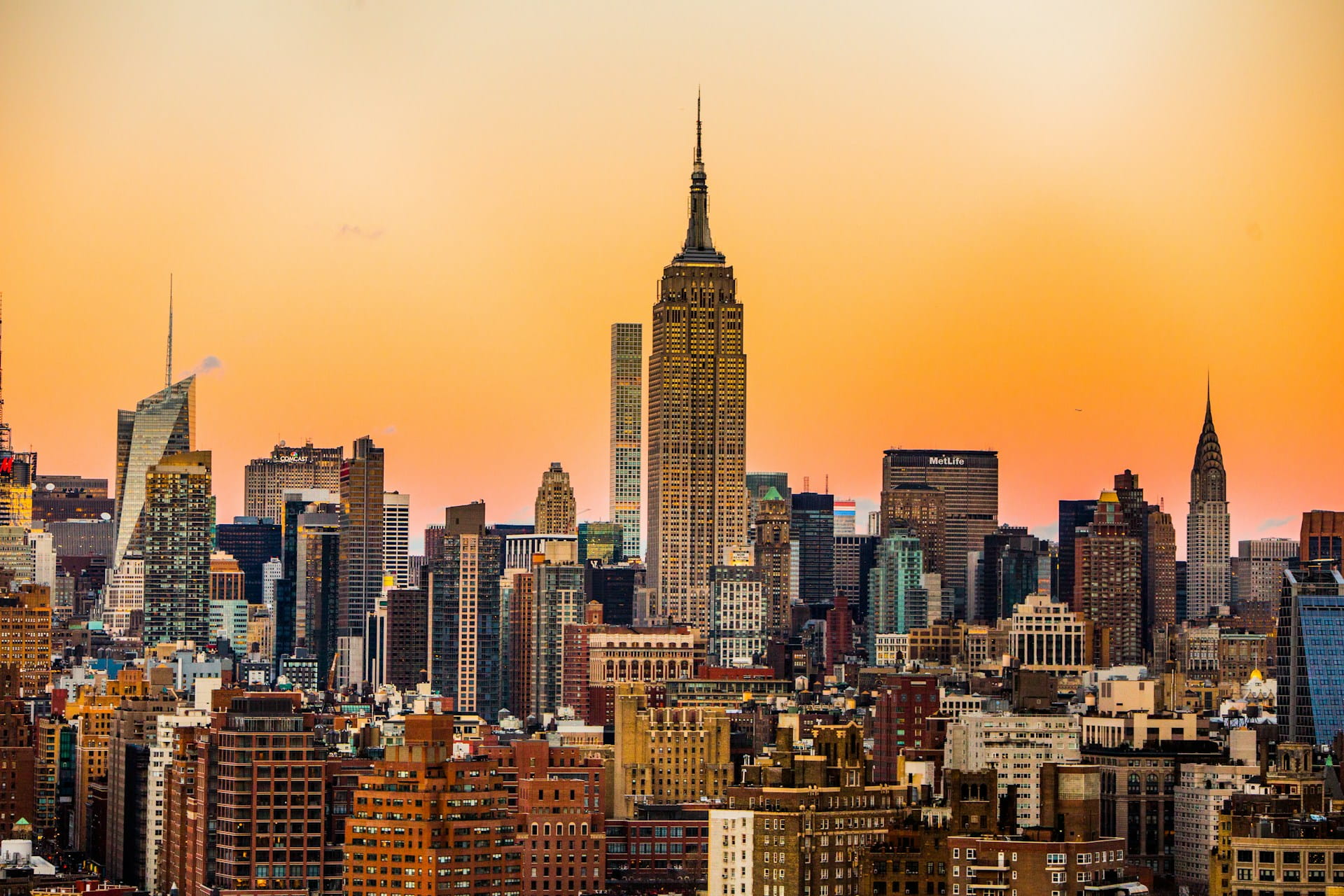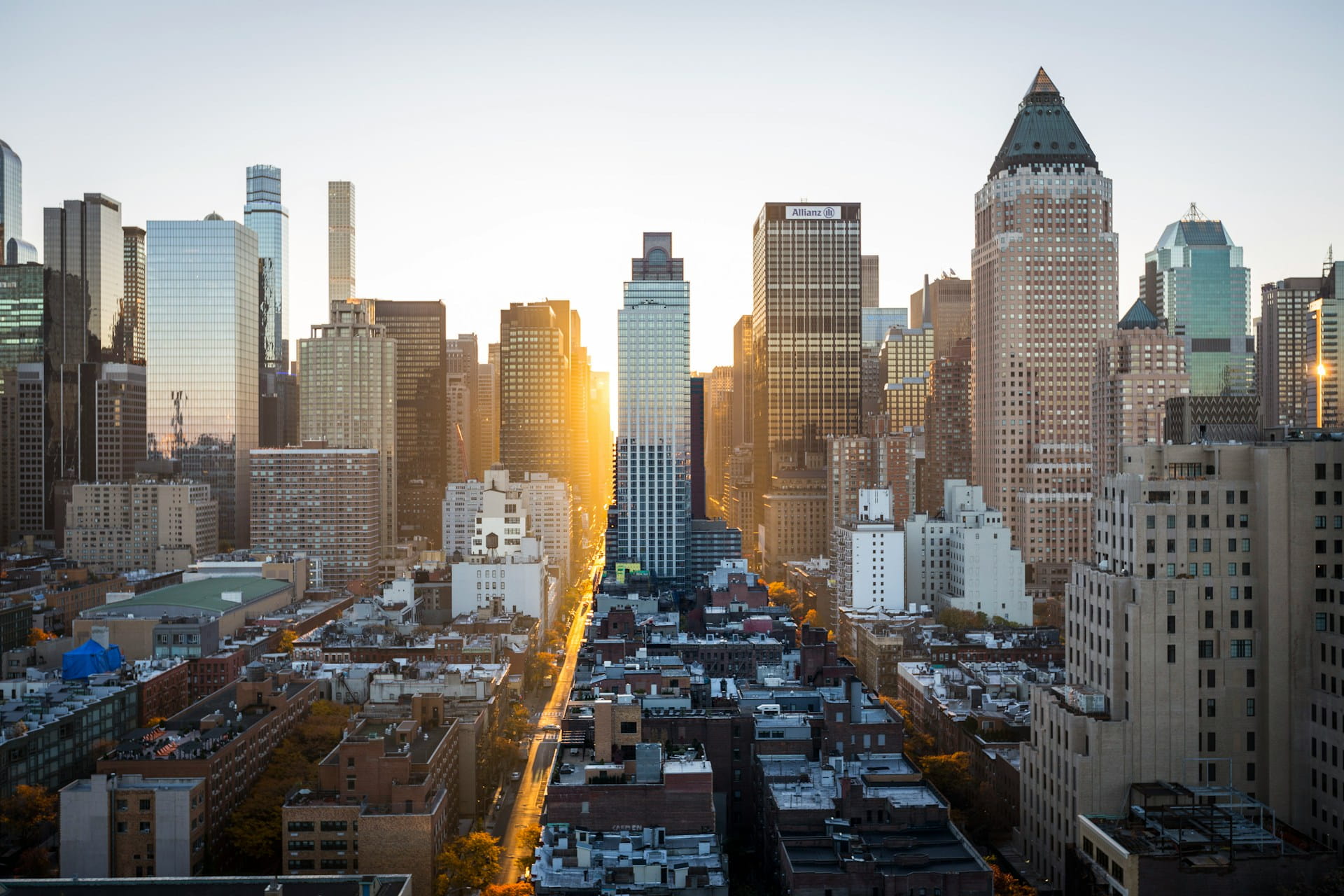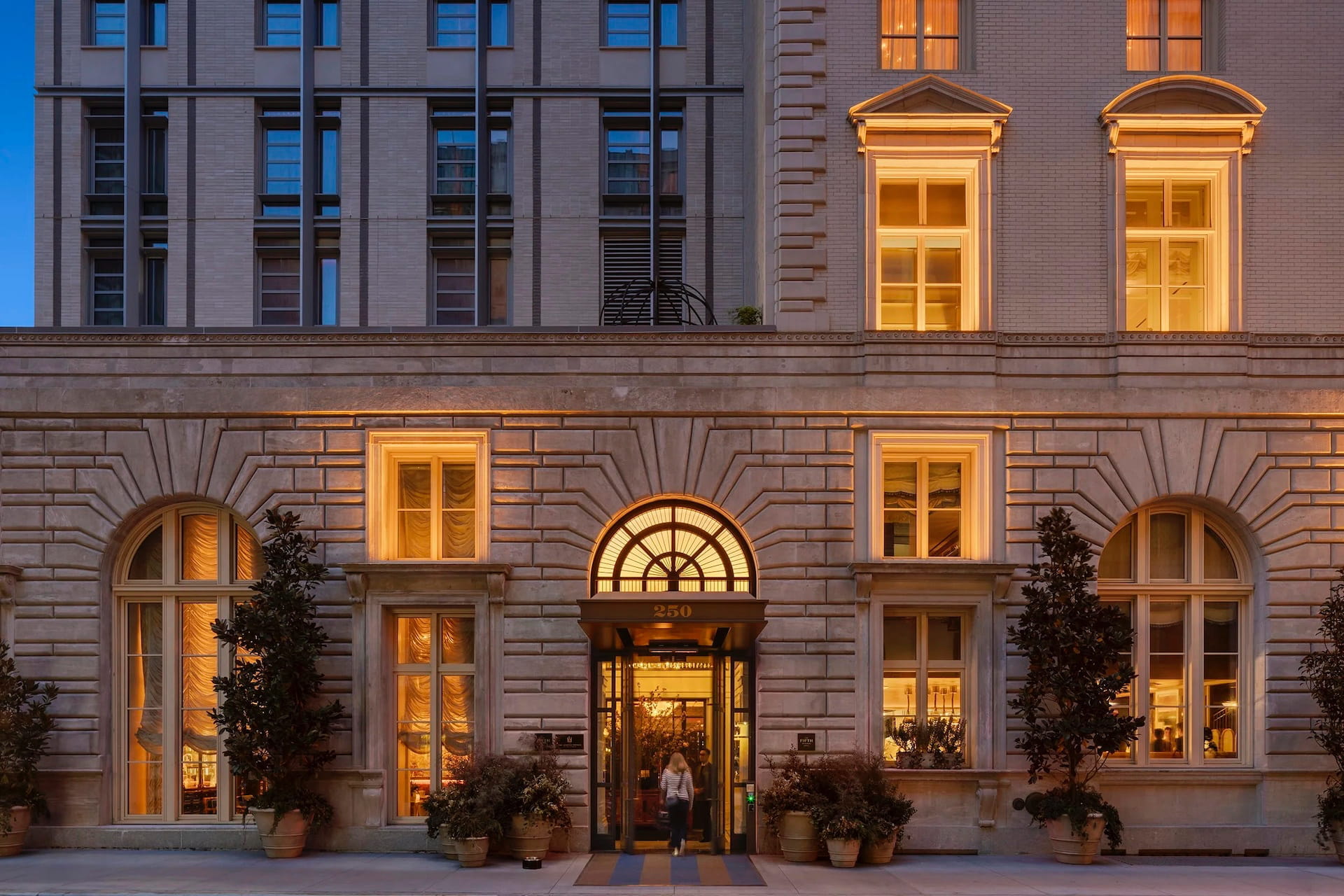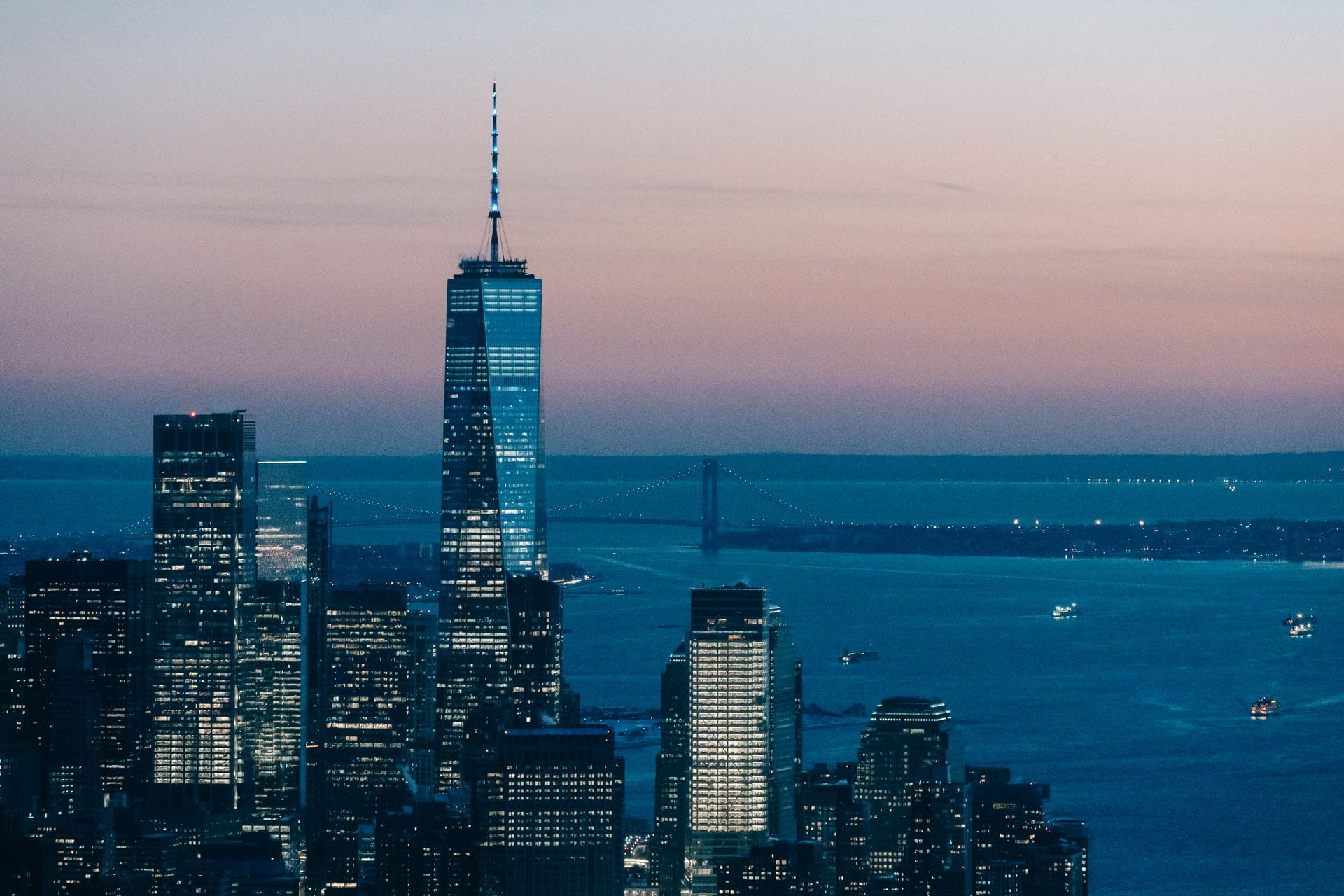
Hudson Yards stands as New York’s boldest mixed-use experiment on the far West Side, and the development pipeline 2026 will decide how fully that vision settles into daily life. What began as rail yards covered by platforms now hosts glass towers, cultural halls, and open plazas that redefine the skyline west of Tenth Avenue. For anyone watching the market, the coming year marks a shift from groundbreaking ceremonies to actual occupancy, lease absorption, and neighborhood texture.
Platform Foundations Still Guiding Every New Crane
The original deck over the Long Island Rail Road tracks remains the literal base for every structure rising today. Engineers designed those platforms to support dense high-rises while trains continue operating below. In 2026 that engineering choice keeps construction efficient because crews do not need to halt rail service for each foundation pour. Residents walking the High Line already feel the result: new retail podiums and residential lobbies open without disrupting the rail corridor underneath. Foundation tracking of the Hudson Yards development pipeline 2026 shows several podium expansions scheduled for late-year completion precisely because the platform system allows phased vertical growth.
Eleventh Avenue Office Towers Chasing Stabilized Occupancy
Several Class A towers along Eleventh Avenue will chase full lease-up through the year. After hybrid work patterns settled, landlords reconfigured floor plates for smaller private suites mixed with collaboration zones. Tenants drawn to these addresses often cite proximity to the Javits Center and the new ferry landing. Absorption data will matter more than ribbon-cutting photos; the Absorption Rates as a Leading Indicator for Manhattan Real Estate help explain why brokers watch quarterly numbers closely here. Soft demand in older Midtown stock actually pushes some firms westward, yet higher operating costs keep many deals cautious. The Federal Reserve Bank of New York regularly notes how regional employment gains influence commercial leasing velocity, and those reports remain useful for reading the West Side mood.
Residential Delivery Wave Reaching the River Edge
Condo and rental towers marching toward the Hudson River will deliver thousands of new homes. Marketing teams emphasize river views and private amenity floors rather than pure square footage. Prices reflect the premium of living steps from The Shed and Vessel, yet many units still price below ultra-luxury peers on Central Park. Families relocating from older Upper West Side co-ops often find the new stock more flexible for modern layouts. Meanwhile, the broader conversation about neighborhood change surfaces when comparing this build-out with outer boroughs; readers exploring Gentrification Trends Reshaping Brooklyn and Queens Neighborhoods will notice parallel pressure points around transit access and school capacity.
Public Realm Investments Completing the Street Grid
Open spaces and streetscape upgrades form the connective tissue that makes the district feel finished. The final stretches of Hudson Boulevard and the elevated park connectors should open fully by mid-year. Landscape architects focused on wind mitigation and shade so plazas stay usable through winter. Cafés and pop-up markets already test the new pedestrian flow. These public realm pieces matter for property values because they convert a collection of towers into a walkable neighborhood. City planners point to similar investments elsewhere; one recent example appears in A Major Rezoning Decision Just Reshaped a Brooklyn Growth Corridor, where street redesigns also unlocked density.
Cultural Venues Anchoring Nighttime Activity
The Shed and surrounding performance spaces will expand programming calendars, drawing evening crowds that support restaurants and late retail. Ticketed events help fill the gap left by office workers who leave by 6 p.m. Operators report stronger weekend bookings as tourists discover the West Side as a full-day destination rather than a quick High Line stroll. Cultural energy also softens the pure commercial feel of the district, giving residents a reason to stay local on weekends. Foundation notes that cultural anchors often stabilize retail rents faster than office leases alone.
Transit Upgrades Linking Farther Than the 7 Train
Beyond the existing subway extension, ferry service and improved bus routes will tighten connections to New Jersey and lower Manhattan. Commuters using the new ferry terminal already cut door-to-door time for Hoboken and Weehawken workers. Bus priority lanes along 34th Street reduce surface congestion that once plagued the area. These links matter because they expand the labor pool available to West Side employers without requiring every employee to live inside the towers.
Capital Markets and Debt Timing Across the Pipeline
Developers refinancing construction loans face a different rate environment than when they broke ground. Many 2026 deliveries must clear permanent financing hurdles while interest costs remain elevated. Public market investors track bond offerings and commercial mortgage-backed securities carefully; filings reviewed by the US Securities and Exchange Commission reveal how sponsors structure those deals. Parallel pressure appears across Manhattan, where older office buildings confront maturing debt; the analysis in Manhattan Real Estate in 2026: Office Dislocation and the Debt Maturity Wave shows why lenders stay selective. National policy signals from the US Federal Reserve still set the broad cost of capital that every West Side sponsor must navigate.
Technology Tenants and Infrastructure Hunger
Power-hungry data and AI firms continue scouting for large contiguous floors with reliable electrical capacity. Hudson Yards offers modern mechanical systems that older Midtown buildings struggle to match. Some tenants negotiate custom cooling loops and backup generators before signing. This demand wave reaches beyond pure office product; related infrastructure needs reshape site selection citywide, as detailed in AI Infrastructure Demand Is Reshaping New York's Real Estate Map. The result is a quiet competition between the West Side and traditional data-center corridors for the same high-intensity users.
Housing Affordability Layers Within the Luxury Frame
While luxury towers dominate headlines, inclusionary units and middle-income rentals still form part of the overall pipeline. City agreements require a share of affordable homes within certain buildings. Research from HUD User research supplies national benchmarks that local advocates use when evaluating whether those set-asides meet real need. Families earning moderate incomes face long wait lists, yet the presence of those units softens pure exclusivity critiques. Broader market context appears throughout the New York Real Estate Market Trends archive, where successive updates track how policy tools interact with private capital.
Anyone weighing a move, lease, or investment should start with primary documents and recent absorption figures rather than renderings alone. Questions about specific projects or neighborhood data often appear in the FAQ (frequently asked questions), while ongoing commentary lives on the Blog. The Hudson Yards development pipeline 2026 will not rewrite every city rule, yet it will set a new baseline for how dense, mixed-use districts perform once the scaffolding comes down. Watch the lease ledgers, the ferry schedules, and the plaza usage counts; those everyday metrics reveal more than any single groundbreaking photo.
Readers comparing notes on Inside Hudson Yards and West Side Development for 2026 in New York should keep one dated source list and one named owner for updates so the next review of Inside Hudson Yards and West Side Development for 2026 does not restart definitions. Article reference newyork-067.
If two teams disagree about Inside Hudson Yards and West Side Development for 2026, write the disagreement in one paragraph with the evidence each side trusts before any money language expands around Inside Hudson Yards and West Side Development for 2026. Article reference newyork-067.
Related Foundation reading: Track record and Foundation World New York hub.
Timeless Value. Perpetual Legacy.