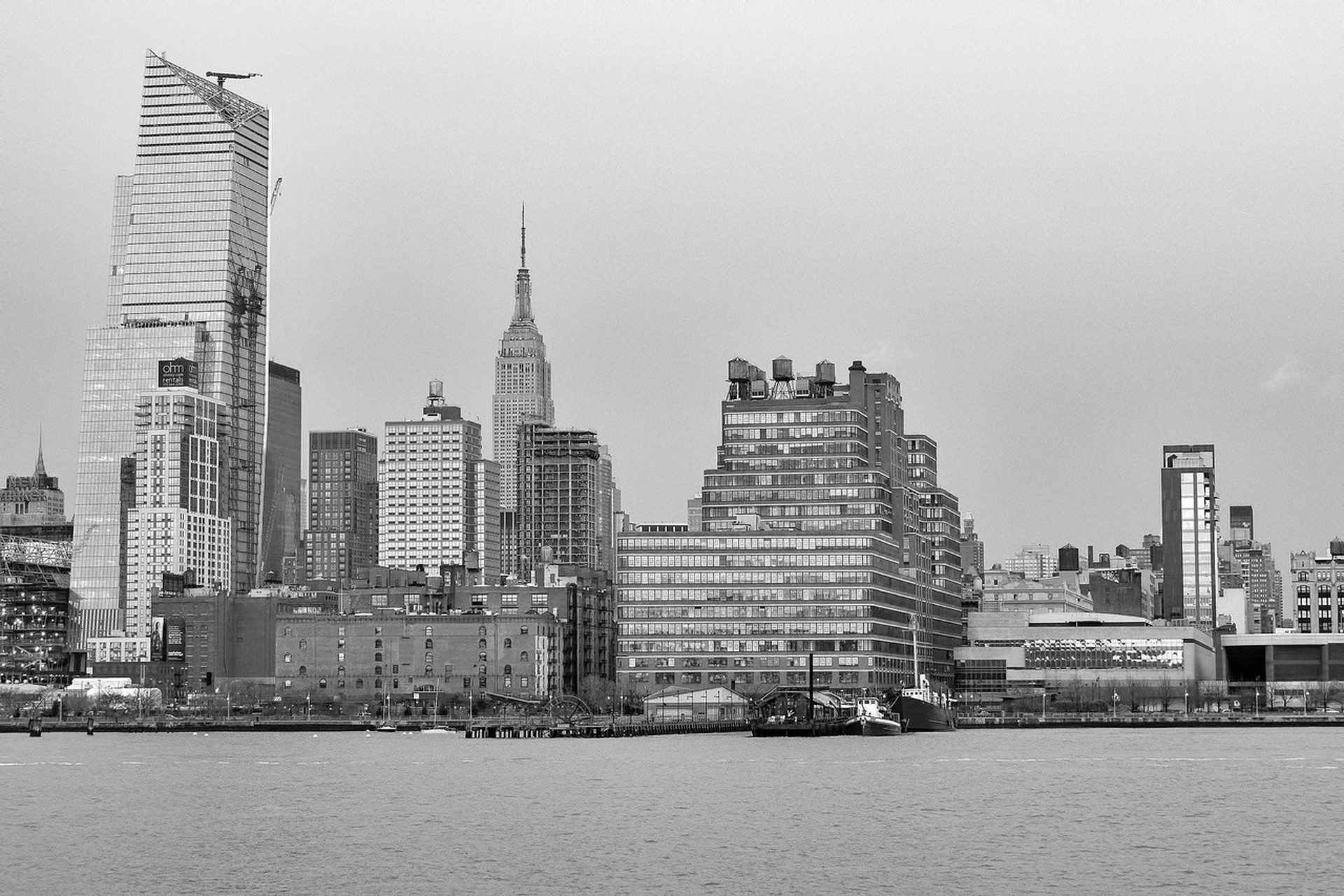
New York's West Side corridor runs like a spine of capital from Battery Park City past Hudson Yards and into the 50s and 60s, where rail yards once sat empty and now host towers, parks, and daily foot traffic. Anyone weighing an equity stake here first needs a clear map of what the stretch actually includes and how its pieces interact.
Mapping the Stretch From Battery Park City Northward
Battery Park City supplies the southern base, a planned enclave of residential towers, offices, and waterfront paths built on landfill. Moving north, Tribeca and the western edge of SoHo give way to Chelsea's warehouse conversions, then the dense cluster of Hudson Yards, followed by the quieter blocks of Hell's Kitchen and the Upper West Side's western fringe. Investors often treat these segments as one continuous market, yet price per square foot, tenant mix, and exit timelines diverge sharply. A loft in Chelsea can trade on different logic than a glass condominium above the High Line. The corridor's shared trait is proximity to the Hudson River and to the north-south arteries that carry workers and visitors every hour.
Seasoned buyers walk the full length on foot before writing any term sheet. Sidewalk width, construction staging, and the presence of active retail storefronts reveal more than aerial photos. Some blocks still carry industrial zoning overlays that limit residential conversion; others have already absorbed their full floor-area ratio. Confirming those details early prevents later surprises when lenders underwrite exit assumptions.
Hudson Yards as the Gravity Well for Pricing
Hudson Yards remains the most visible project on the corridor and still sets comparative rents for nearby assets. The commercial core draws corporate tenants with large floor plates and river views, while the residential towers attract both domestic and overseas buyers seeking new product. Yet the district's completion cycle means absorption rates matter more than headline lease figures. Empty floors in one tower can pressure asking rents two blocks away.
Investors tracking absorption often cross-check public data against private broker reports. The City of New York publishes permit and occupancy statistics that help separate marketing claims from actual occupied space. When those numbers lag, patient capital can negotiate harder on unfinished or lightly leased assets just outside the formal Hudson Yards boundary.
Transit Density and the Daily Demand Engine
The 1, 2, 3, A, C, E, and 7 lines, plus the High Line and multiple bus routes, create an unusually high concentration of transit options. That density supports both office and residential demand because workers can reach Midtown or Downtown without relying solely on cars. For an investor, the key metric is not merely station proximity but station capacity during peak hours. Platforms that already feel overcrowded limit upside for new residential supply nearby.
Ground-level retail thrives when pedestrians exit stations and linger. A retail condominium beside a busy subway entrance can outperform a similar unit two avenues inland. Yet rising fare evasion and service disruptions introduce operational risk that must appear in any cash-flow model. Monitoring service alerts from the Metropolitan Transportation Authority is now standard diligence, not an optional extra.
Waterfront Elevation and Storm Resilience Rules
Much of the corridor sits close to the Hudson, and post-Sandy building codes require flood-proofing for lower floors. Elevating mechanical systems, installing deployable barriers, and securing flood insurance add cost that older buildings may not yet carry. Buyers of pre-2012 stock should budget for those upgrades or accept higher insurance premiums that compress net operating income.
Resilience investment can also create value. Properties that already meet the latest standards command rent premiums from corporate tenants whose own risk policies demand dry floors. Checking elevation certificates and flood-zone maps early in the process avoids last-minute renegotiation of purchase price.
Rent Stability Versus Luxury Turnover Cycles
The corridor mixes long-term rental buildings with condominium towers that experience higher resident churn. Stabilized multifamily assets with rent-regulated units offer predictable cash flow but limited upside if vacancy is already low. Luxury condo inventory, by contrast, can deliver strong resale gains in expansion phases yet faces steeper price corrections when rates rise or foreign capital pauses.
Family offices comparing the two often consult specialized research on Manhattan deal flow. Insights into How Family Offices Evaluate Manhattan Off-Market Opportunities show how some groups prefer quiet residential blocks with lower marketing noise. Those quieter pockets can deliver steadier returns even when trophy towers dominate the headlines.
Paper Trails That Differ From Outer-Borough Norms
Manhattan corridor purchases still require the same core title and survey work as any New York property, yet the volume of condominium offering plans and ground-lease documents is higher. Understanding exactly What Documents Do You Need to Buy Property in New York? saves weeks of back-and-forth with counsel. Offering plans for larger buildings can run hundreds of pages and reveal sponsor guarantees, reserve-fund shortfalls, or pending facade work that will hit common charges soon.
Ground leases under certain office towers introduce another layer. Lease terms longer than 50 years trade like fee simple for most practical purposes, yet lenders still apply stricter advance rates. Reading the remaining term and any redevelopment rights is essential before capital is committed.
Secondary Blocks That Ride the Same Momentum
Not every dollar needs to chase Hudson Yards core. Blocks immediately north of the 30s or south of Battery Park City can capture spillover demand at lower entry prices. Investors studying those edges often review A Family Office Guide to New York's Secondary Submarket Opportunities for frameworks that weigh land residual against current income. The same logic that applies to secondary Manhattan pockets also informs how capital approaches nearby boroughs; the A Smart Strategy Playbook for Brooklyn's Emerging Neighborhoods outlines parallel playbooks for areas that benefit from improved transit without Hudson Yards pricing.
Building trust with local operators remains decisive. Techniques covered in Building Local Relationships in Brooklyn's Real Estate Market transfer well to West Side brokers, property managers, and community boards. Relationships surface off-market listings and provide early warning of zoning changes that never appear in public notices.
Macro Signals That Still Move Local Pricing
Interest-rate paths set by the US Federal Reserve and regional conditions tracked by the Federal Reserve Bank of New York influence cap rates across the corridor more than any single lease announcement. When the federal funds rate stays elevated, highly leveraged buyers retreat and cash-heavy groups gain negotiating power. Global capital flows documented in IMF publications also matter: periods of dollar strength can encourage foreign equity into New York trophy assets, while currency volatility can freeze those same sources overnight.
Securities regulations add another filter. Any private fund raising capital to buy corridor assets must stay within the registration exemptions overseen by the US Securities and Exchange Commission. Compliance costs are real and should appear in every partnership expense budget.
Readers seeking ongoing analysis can browse the full Investor Tips Insights archive or scan the main Blog for fresh corridor updates. Common questions about process and timing appear in the FAQ (frequently asked questions).
The West Side corridor rewards investors who treat each block as its own submarket, verify physical and legal constraints early, and keep one eye on national rate cycles. Preparation of that sort turns a headline opportunity into a durable holding.
Timeless Value. Perpetual Legacy.