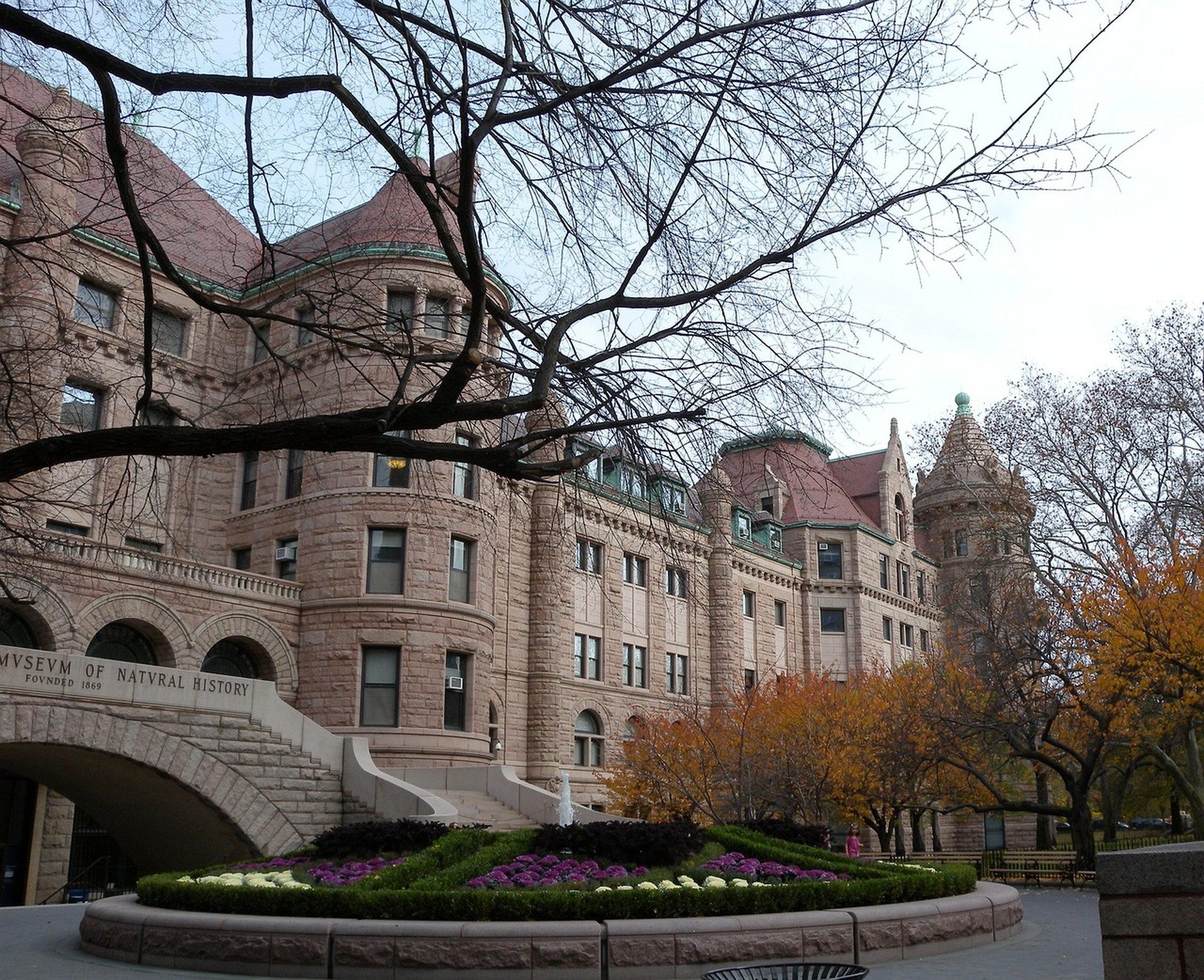
New York landmarks stand as fixed points in a city that never stops changing. Owners and institutions who want to adapt those buildings must navigate a consent process that itself becomes a demand signal. Watching how the Landmarks Preservation Commission and related bodies respond tells sophisticated capital where pressure is rising, where neighborhoods remain locked, and where future value may quietly build.
Consent strategy here means more than paperwork. It means reading the appetite of the city for change around protected fabric, then shaping filings so that approvals arrive when market demand can still use them. Institutions track those outcomes the way they track interest rates or absorption numbers because a granted certificate of appropriateness can unlock renovations, reuses, and exit options that were previously closed.
The focus keyword newyork ss landmarks consent strategy signals captures exactly this intersection. Foundation covers it because owners who ignore the signals often discover too late that capital has already priced the delay.
Why Preservation Approvals Now Function as Market Barometers
Every major institution that holds New York real estate keeps a quiet scorecard of landmarks decisions. Approvals for rooftop additions, storefront restorations, or interior alterations signal that the surrounding district still has enough political and economic oxygen for growth. Denials or prolonged conditions send the opposite message. The pattern of those decisions often precedes published absorption data by many months.
Capital desks therefore treat the commission calendar as a leading indicator. When filings for adaptive reuse in a landmarked corridor rise and receive relatively clean consent, the desks interpret it as confirmation that tenant demand or residential conversion interest is already strong enough to justify the risk. That reading influences how they size new commitments and how they time dispositions. Related research on broader market structure appears in our discussion of Colocation Versus Hyperscale: Two Paths in New York's Data Center Market, where similar regulatory friction shapes infrastructure plays.
Official city records published through the City of New York portal make the raw decisions public. Institutions simply aggregate them faster and layer them against their own internal demand models.
The Specific Signals That Appear Before an Application Is Even Filed
Long before a formal submission reaches the commission, neighborhood activity begins to generate measurable signals. Rising rents in nearby non-landmarked buildings, increased inquiries for ground-floor retail, and quiet purchases of air rights all point to latent demand that will eventually press against the landmark itself. Institutions watch these peripheral movements because they predict the volume and urgency of future consent requests.
Community board agendas provide another early window. When local boards start scheduling more discussions of preservation-related projects, the institutional desks note the uptick. They also track whether those discussions produce supportive resolutions or organized opposition. A supportive board does not guarantee commission approval, yet it softens the political path and shortens expected timelines. That compression of time has direct valuation impact.
Macro context still matters. Policy statements from the US Federal Reserve on interest rates and credit conditions influence how aggressively owners will pursue capital-intensive renovations that require landmarks consent. Softer financing conditions tend to accelerate filings; tighter conditions slow them. The interaction is mechanical and therefore predictable.
How Institutions Translate Consent Outcomes Into Portfolio Moves
Once a decision lands, the translation into capital allocation is swift. A clean approval on a high-profile landmark can re-rate comparable assets within the same historic district. Owners who have been waiting for a precedent suddenly file their own applications. Buyers who had discounted landmarked inventory begin to compete more aggressively. The demand signal becomes self-reinforcing.
Conversely, a high-profile denial or a set of onerous conditions can freeze activity for years. Institutions mark down internal valuations and shift dry powder toward freer districts. They may also accelerate 1031 planning so that they can exit without carrying the overhang. Timing guidance on that front appears in 1031 Exchange Timing in NYC: 2026 Data and Macro Context.
Portfolio managers further cross-check consent data against demographic and economic series. Research hosted by HUD User research helps them understand whether population or job growth in a submarket is strong enough to justify the extra cost and delay of landmarks work. When the numbers align, consent becomes a tactical step rather than a strategic risk.
Reading Community and Political Friction as Forward Indicators
Public hearings are more than theater. The tone of testimony, the number of speakers, and the specificity of objections all feed institutional models. Soft opposition that focuses on design details rather than absolute rejection usually signals that demand for change is broadly accepted and that compromise language will emerge. Hard opposition that invokes neighborhood character in absolute terms often predicts multi-year delays or scaled-back projects.
Institutions therefore assign staff or consultants to attend or review hearings systematically. They record not only the formal outcome but the qualitative texture. That texture becomes a proprietary input when they later underwrite acquisitions or refinancings of landmarked assets. The same discipline appears in other complex New York plays, including the infrastructure questions examined in Water Infrastructure Supporting Tech Campus Growth in the Tri-State.
Political calendars add another layer. Approaching elections or shifts in mayoral priorities can temporarily slow or accelerate commission dockets. Experienced desks adjust expected closing dates accordingly rather than treating published timelines as fixed.
Linking Consent Wins to Class B and Adaptive Reuse Momentum
Many of the most closely watched consent applications involve Class B office buildings that carry landmark status yet need significant work to remain competitive. Success in those cases sends a powerful demand signal for the broader adaptive-reuse thesis. When the commission permits modern systems, new floor plates, or carefully designed additions, capital concludes that similar assets can be repositioned rather than left to decay.
Metrics that move headlines after such wins are catalogued in Class B Office Value-Add in FiDi: Metrics That Move Headlines. Occupancy gains, rent rebounds, and reduced capex contingencies all become easier to model once a precedent exists. The consent itself is therefore both a project milestone and a market signal.
Securities regulators keep an eye on how public companies describe these risks and opportunities. Filings reviewed by the US Securities and Exchange Commission sometimes contain language about landmarks exposure that sophisticated readers parse for clues about management confidence. When that language turns more constructive after a series of approvals, institutions take note.
Building an Internal Consent Radar That Stays Ahead of Filings
The most effective institutions do not wait for applications to appear on public calendars. They maintain ongoing dialogue with design firms, preservation consultants, and neighborhood groups so that they hear about potential projects months earlier. That early awareness lets them model the demand implications before the broader market reacts.
They also maintain checklists that convert soft intelligence into hard decision rules. Thresholds for expected approval probability, expected duration, and expected cost premium are set in advance. When a live opportunity crosses those thresholds, capital is already prepared to move. The same disciplined approach underpins the broader work of What Is Foundation New York and Why It Exists Now.
Readers who want to track evolving strategy material can browse the Smart Strategies archive or consult the FAQ (frequently asked questions) for process clarifications. Ongoing commentary continues on the Blog.
Global Context That Still Shapes Local Landmark Demand
Although landmarks consent is intensely local, the capital that watches it is global. Cross-border institutions compare New York outcomes against preservation regimes in other gateway cities. When New York appears relatively predictable, more foreign capital is willing to underwrite the extra friction of landmarked assets. When unpredictability rises, that capital rotates elsewhere.
Periodic reviews published by the IMF publications series help those institutions frame the larger macro environment in which local preservation fights unfold. Currency moves, sovereign risk, and growth differentials all influence how much patience foreign owners will show toward multi-year consent campaigns. Local demand signals therefore never exist in isolation.
Owners who treat landmarks consent purely as a compliance chore miss the larger information content. Each decision, each hearing, each neighborhood reaction is a demand signal that institutions are already watching. Aligning strategy with those signals is simply how durable value is protected and grown in a city whose past remains permanently present.
Related Foundation reading: Track record.
Timeless Value. Perpetual Legacy.