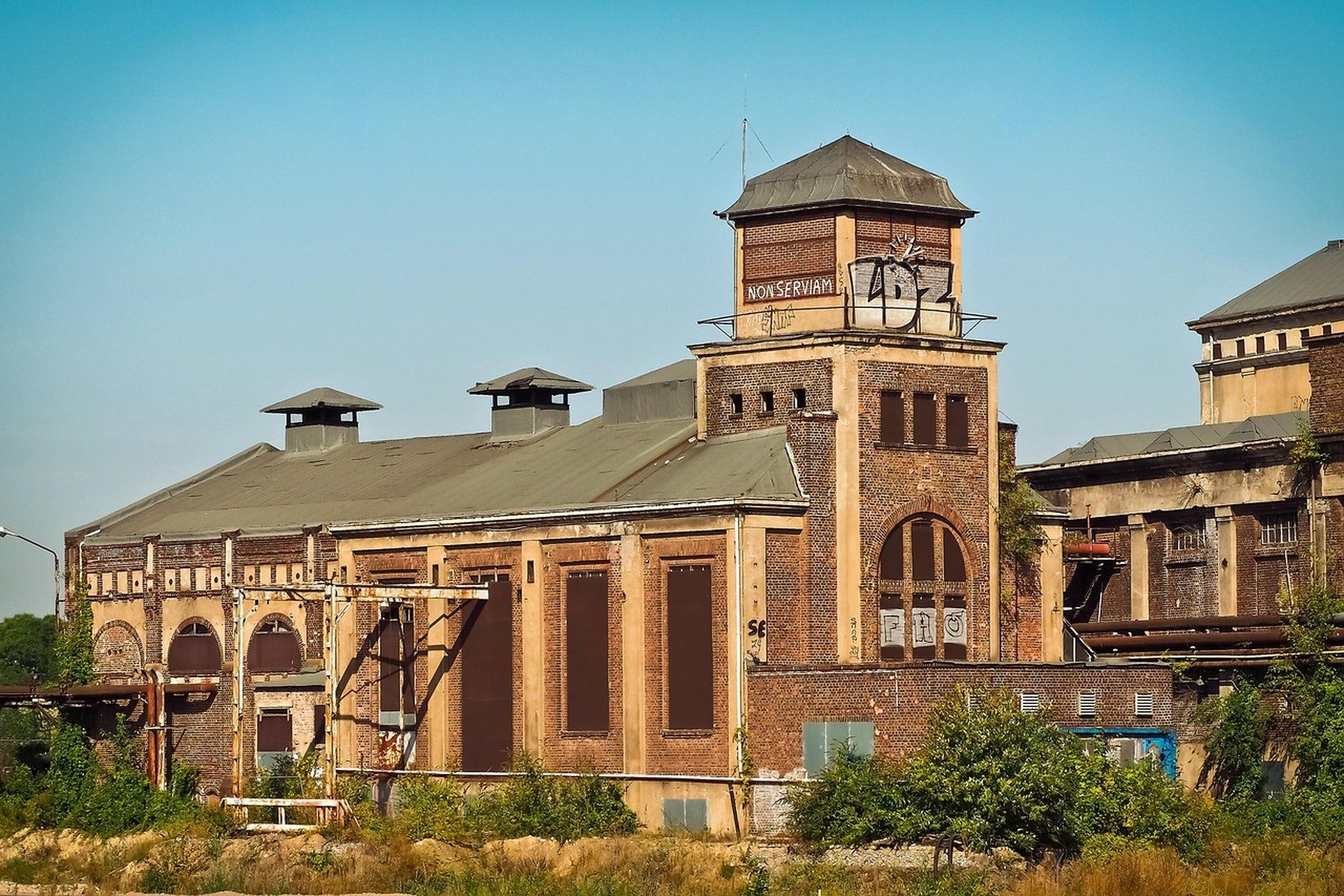
Reporters covering New York real estate face a repeating story: Brooklyn's old manufacturing shells keep turning into housing stock. This primer gives journalists the ground-level language and source questions they need before they pitch the next warehouse-to-loft feature. Foundation publishes deep market notes so writers can verify claims fast, and the Blog remains the daily feed for fresh angles on the same topic.
Factories That Stopped Shipping and Started Housing
Brooklyn once ran on freight elevators and rail sidings. Those same buildings now hold kitchen islands and bike rooms. A journalist's first task is to identify which structures still carry industrial certificates of occupancy and which already hold residential ones. The difference matters because city agencies track each change separately. Owners must file new applications with the Department of Buildings before any residential unit can be marketed. When you walk a Gowanus canal site, ask the developer for the most recent Board of Standards and Appeals decision letter. That single document shows whether the conversion rests on a variance or a full rezoning. Without it, any story risks floating free of legal reality.
Local archives at the Brooklyn Public Library and the Municipal Archives hold Sanborn maps that mark the original loading-bay dimensions. Pair those maps with current drone photos and you can show readers how high the ceilings rose and how thick the floor slabs remain. Thickness controls whether apartments can add washer-dryer pairs or must rely on shared laundry. Small details like that keep a piece honest instead of promotional.
Permit Paths Journalists Must Trace Before Filing
Every conversion starts with a zoning resolution text amendment or a special-district designation. City Planning Commission votes on those changes in public sessions. Transcripts appear days later on the official site maintained by the City of New York. Quote the exact motion language so editors and readers share the same vocabulary. Next comes the Department of Environmental Protection review for storm-water capacity. Old factories rarely had separate sanitary and storm lines; residential towers need both. A reporter who skips this stage will miss why a project stalls for eighteen months even after the City Council says yes.
Fire-code upgrades form another choke point. Wooden joists common in early-twentieth-century plants rarely meet modern sprinkler and egress rules. Contractors must open every floor to insert steel replacements or add spray-applied fireproofing. These costs often decide whether a developer pursues market-rate condos or income-restricted rentals. Ask for the fire-protection engineering report early; it reveals the true budget contingency more clearly than any glossy brochure.
Capital Stack Language That Moves Beyond Brochure Speak
Bankers, mezzanine lenders, and preferred-equity partners each occupy different rungs of the capital ladder. A journalist who confuses construction loan interest with permanent-loan coupons will misstate the project's risk. The Trophy Asset Refinancing Ladders: Explained in Plain Language page walks through those rungs with plain arithmetic. When a Brooklyn warehouse flips, senior debt usually sits at sixty percent of total cost. Mezzanine fills the next twenty, and sponsor equity plus any tax-credit equity covers the rest. Interview the construction lender's credit officer and ask what occupancy threshold triggers conversion to permanent financing. That threshold is the story's true deadline.
Tax-increment financing and Opportunity Zone funds sometimes appear as side notes. Confirm whether the project sits inside a designated zone by checking the official map layers. Federal tax rules change yearly; the latest IMF publications give global context for why foreign capital still eyes New York industrial stock. Cite both sources so the money trail feels transparent rather than opaque.
Neighborhood Friction After the Ribbon Cutting
New residents arrive with delivery vans and late-night elevators. Long-time industrial neighbors still move steel beams at dawn. Noise complaints land at the local community board first. Board minutes are public; request the audio files and listen for the precise hours residents flag. A conversion can win zoning approval yet lose community goodwill if loading docks remain open past ten at night. Journalists who attend two consecutive board meetings leave with better quotes than any press-kit statement.
Parking demand rises once residential certificates arrive. Borough engineers study curb cuts and meter revenue. Ask for the most recent traffic-impact study submitted to the Department of Transportation. Numbers inside that study often understate package-delivery volume. Pair those figures with on-site observations of double-parked vans and you give readers a living picture rather than abstract projections.
Data Sets That Confirm Demand Without Guesswork
Vacancy rates for converted Brooklyn product now float between three and six percent depending on the submarket. The Federal Reserve Bank of New York releases regional surveys that break out multi-family absorption by borough. Cross-check those numbers against the monthly CompStak or CoStar abstracts many newsrooms already subscribe to. When absorption spikes after a cluster of industrial conversions, the pattern is newsworthy. Foundations' own research notes that technology tenants still crowd the western Brooklyn waterfront; readers curious about the larger map can open How Technology Demand Is Redrawing New York's Commercial Real Estate Map for parallel commercial trends.
Affordable units required under Inclusionary Housing programs must be tracked separately. City housing agencies post lottery results for each project. A fair article lists how many apartments are income-restricted and how long the lottery waitlist stretched. Those details convert abstract zoning policy into human scale.
Comparisons That Keep Brooklyn Distinct from Manhattan
Manhattan's residual industrial pockets convert under different pressure. Floor plates there are smaller and land prices higher. Brooklyn still offers parcels large enough for courtyards and private green roofs. The difference shows up in unit-mix studies: Brooklyn conversions favor two- and three-bedroom apartments while Midtown projects lean studio-heavy. For a longer view of Midtown supply, Foundation tracks the pipeline in What the Manhattan Development Pipeline Reveals About Future Supply. Quote both boroughs side by side only when the numbers justify the contrast.
Journalists should also note residual manufacturing tenants who stay on lower floors under temporary certificates. These holdovers create mixed-use stories that pure residential towers lack. Interview the remaining light-industrial tenant and ask what rent they now pay relative to residential market rents above them. The gap itself becomes a lead paragraph.
Source Lists and Ethics for Long-Form Reporting
Primary sources include the City Planning Commission calendar, Building Department job filings, and State Environmental Quality Review documents. Secondary sources include peer-reviewed work hosted on HUD User research portals that examine industrial-to-residential transitions nationwide. Always attribute statistics to the original table rather than a press-release rewrite. When a developer offers exclusives, request the same documents they file with city agencies; any discrepancy deserves a clarifying call.
Readers often wonder how Foundation itself fits into the picture. The mission page What Is Foundation New York and Why It Exists Now answers that question in plain terms. For wealth-management angles that appear after conversions stabilize, consult Trust and Estate Planning for Trophy Holdings: What New Readers Should Know. Additional strategy pieces sit inside the Smart Strategies archive. Quick definitional questions go to the FAQ (frequently asked questions) so reporters waste no cycle time on basic terms.
Coverage of Brooklyn industrial conversion remains essential because the borough still holds large under-used structures while housing demand stays high. A journalist who masters the permit path, the capital stack, and the neighborhood friction can deliver pieces that survive fact-check and serve public understanding. The same discipline that produces clean copy also builds trust with sources who control the next file of public documents.
Related Foundation reading: Foundation Israel.
Timeless Value. Perpetual Legacy.