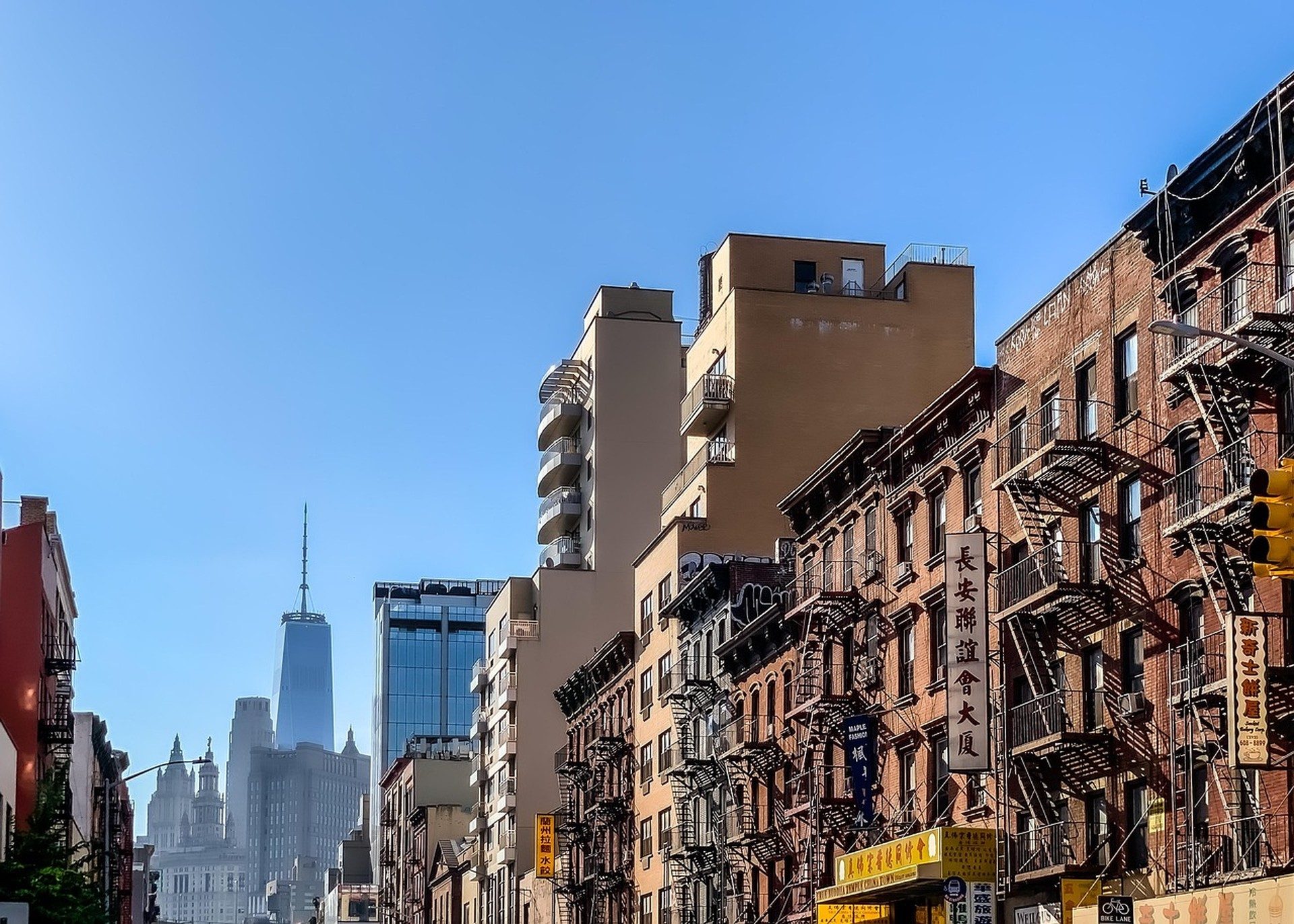
Long Island City sits on the western edge of Queens with a skyline that keeps adding glass shafts every year. Residents who once associated the place with warehouses and film studios now see grocery chains, riverfront parks, and elevator lobbies that feel like Manhattan spillover. The Long Island City real estate submarket has therefore drawn more attention than many other corners of the city because pace and scale here still surprise even veteran investors.
Warehouse Roots That Now Support Luxury Mixes
Much of the current land map began as manufacturing floors and rail spurs. After mid-century factories thinned out, empty structures waited for new tenants who could pay more than shipping rates. Conversion projects turned some of those shells into lofts while newer lots accepted full residential towers. Buyers today can walk past a remaining loading dock and then step into a lobby with a package room and roof deck. That mixture keeps the neighborhood from feeling uniform and supplies a visual reminder of how quickly uses change once capital arrives.
City officials published update maps that show former industrial parcels flipped to mixed residential and commercial coding, details available through the City of New York portal. Those maps help a newcomer understand why a block that looked quiet ten years ago now hosts a thirty-story facade. The same process continues along the East River as remaining soft sites face pressure to redevelop.
Condo Penthouses Watching the Midtown Elbow
Rivers and bridges create sightlines that marketing brochures treat as permanent assets. Units facing the water routinely carry higher asking prices because the view captures both the Manhattan morning light and the evening ferry traffic. Ground-floor retail has also improved, so owners no longer need a long subway ride simply for a specialty grocery or a medical appointment. Developers market that convenience aggressively when competing against new products elsewhere in Queens.
Price listings in this strip often jump faster than the rest of the borough average, a pattern discussed more broadly in the report titled Comparing Price Growth Across New York's Secondary Submarkets. Families shopping for school proximity or investors hunting cash-flow buffer still watch rent and resale tables before they commit.
The 7 Train and Long Island Rail Road as Daily Lifelines
Workforce mobility keeps this pocket active even when other office districts slow. Morning trains fill with people heading into Midtown, while reverse trains return evening crowds to newer towers. Two major stations plus ferries give multiple choices so a single track delay rarely traps an entire neighborhood. That reliability is now baked into lease negotiations for tech and media firms that relocated larger staffs here after 2015.
Financial conditions that affect those leases remain under review by the Federal Reserve Bank of New York, whose research notes keep track of regional hiring and vacancy pulses. When employment holds steady, occupancy rates in Class A towers stay competitive against older Midtown product that faces bigger renovation bills.
Institutional Cash Following the Queens Edge Corridor
Pension funds and real-estate investment trusts no longer treat the area as an experimental afterthought. Large checks appear for both residential land assemblies and office buildings that already signed long-term leases. The corridor stretching eastward from the river has therefore become a favored story line among analysts who watch borough-level rotations, precisely the focus of the article Queens Development Corridor Gains Institutional Investor Attention. That attention raises the bar for smaller operators who must now bid against deeper pockets when soft parcels hit the market.
Global macro reports issued through IMF publications also note how urban centers with strong transit still attract capital even when interest rates climb. Local partners use those notes to justify longer hold periods rather than quick flips.
Office Experiments After the Work-from-Home Wave
Empty desk floors across the river have forced landlords in Manhattan to reprice or retenant buildings, a dynamic captured in the analysis Manhattan Real Estate in 2026: Office Dislocation and the Debt Maturity Wave. Long Island City has absorbed a portion of that migration because newer towers already carry efficient mechanical systems and larger floor plates. Some tenants treat the move as a permanent cost cut, while others keep dual presence until head-count plans settle.
Interest rate paths set by the US Federal Reserve continue to shape those decisions. Higher financing costs slow ground-up office starts, so existing inventory with proven occupancy gains strategic value. Disclosure rules enforced by the US Securities and Exchange Commission further push public landlords to explain vacancy variance every quarter, giving nearby private owners a clean comparative data set.
What Different Ownership Styles Learn From Adjacent Hotspots
Success along the West Side produced its own set of signs that new projects watch carefully, as outlined in Mapping New York's West Side Growth Corridor From Hudson Yards to Chelsea. Similar patterns appear when streets fill with weekend foot traffic and restaurants stay open late. Parallel lessons arise further south, where the resource A Smart Strategy Playbook for Brooklyn's Emerging Neighborhoods walks through patient land banking and careful retail curation.
Local actors store those case studies under the broader New York Real Estate Market Trends archive so newcomers can scroll several years of detail before they make an offer. The same library hosts short pieces that answer recurring questions such as tax abatement timelines and school zone maps. Anyone still unsure about process details can open the FAQ (frequently asked questions) page and then browse the latest entries on the main Blog.
Ground-Level Moves for Buyers Who Want Skin in the Game
A first-time purchaser may start with smaller condominium units that rent well to arriving professionals, then wait for appreciation before trading up. An experienced operator might assemble two adjacent low-rise parcels and file for an enlarged envelope. Both paths require current zoning checks and title reviews, yet the neighborhood still rewards people who walk the sidewalks repeatedly instead of relying solely on broker flyers. Seasonal street festivals and park programming also signal whether daily life can keep up with the marketing promises printed on sales boards.
Residents often form block associations that speak with developers about open-space contributions. Those conversations leave a public record that later buyers can read. Careful diligence of this kind reduces the chance of surprises once the closing papers arrive. Long Island City remains open enough that patient capital can still locate room to act without chasing already-saturated corridors.
Readers comparing notes on Long Island City New York s Fastest Evolving Real Estate in New York should keep one dated source list and one named owner for updates so the next review of Long Island City New York s Fastest Evolving Real Estate does not restart definitions. Article reference newyork-173.
If two teams disagree about Long Island City New York s Fastest Evolving Real Estate, write the disagreement in one paragraph with the evidence each side trusts before any money language expands around Long Island City New York s Fastest Evolving Real Estate. Article reference newyork-173.
A short refusal note for Long Island City New York s Fastest Evolving Real Estate should say what was parked, why it was parked, and who can reopen the file on Long Island City New York s Fastest Evolving Real Estate after new facts arrive in New York. Article reference newyork-173.
Related Foundation reading: Our approach and Manhattan Trophy Asset Transaction Volume: Measurement Protocols That .
Timeless Value. Perpetual Legacy.