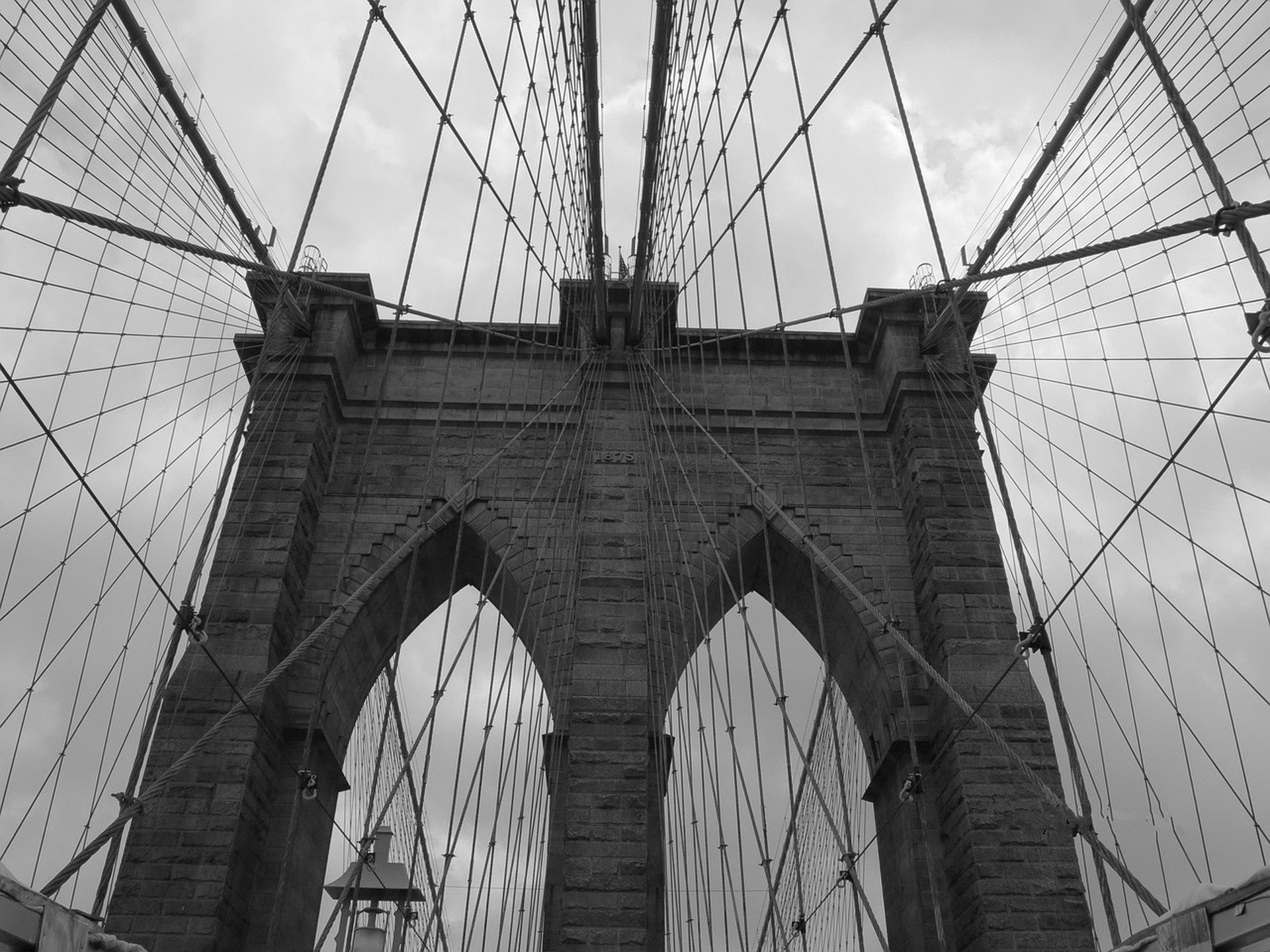
Landmark buildings in New York force insurance underwriters to price constraints that ordinary commercial property never faces. Operators who treat a landmarked asset like a standard tower discover gaps only after a loss or a declined renewal. This technical deep dive walks through how carriers evaluate protected fabric, how replacement cost must be framed, and how the newyork iti landmarked asset insurance playbook keeps coverage aligned with both preservation law and capital partners.
Why Landmark Status Changes the Underwriting Equation in New York
Landmarks Preservation Commission rules limit materials, methods, and even temporary scaffolding. Underwriters therefore assign higher uncertainty to rebuild time and to the skilled trades needed for authentic restoration. Ordinary replacement cost schedules underestimate those frictions, so carriers load rates or exclude historic elements unless the submission proves the operator understands the constraints. Operators who surface the designation early, with photos of original masonry and documented repair histories, shorten the cycle and reduce surprise exclusions.
Market capacity also shifts when a building sits inside a historic district. Reinsurers watch concentration of protected stock across Manhattan and Brooklyn, and they may tighten terms after major storm seasons. Checking broader capital conditions through US Federal Reserve materials helps operators anticipate when soft markets harden and when surplus capacity for specialized historic cover may shrink.
Documenting Fabric and Systems That Insurers Actually Price
Carriers price what they can verify. A landmarked façade of terra cotta or brownstone requires specialist appraisals that ordinary property surveys skip. Roof assemblies, window sash profiles, and ornamental metalwork each carry unique unit costs and long lead times. Operators who commission a condition survey that lists original versus replacement materials give underwriters a clear matrix instead of a single lump sum. That matrix becomes the backbone of the newyork iti landmarked asset insurance playbook because it converts aesthetic heritage into quantifiable exposure.
Mechanical systems introduce a second layer. Many landmarked assets retain outdated electrical or plumbing that cannot be fully modernized without commission approval. Insurers want evidence of maintenance logs, infrared scans of aging wiring, and plans for phased upgrades that respect exterior integrity. When those documents sit in the submission, the underwriter can underwrite systems risk separately from fabric risk rather than applying a blanket loading.
Replacement Cost Models for Protected Structures
Standard construction cost indices fail when every cornice must match historic profiles. Operators should build two parallel estimates: one for functional modern rebuild and one for like-for-like restoration under commission guidelines. The gap between those two figures is the true historic premium that coverage must address. Presenting both numbers side by side prevents the common error of buying a policy that will force a cheaper, non-compliant repair after a loss.
Valuation must also capture soft costs unique to New York landmarks. Temporary protection, scaffold permits timed to commission reviews, and specialized conservation labor all extend the period of restoration. Including those soft costs in the limit calculation stops business interruption from exhausting too early. Cross-checking regional price trends against research from the Federal Reserve Bank of New York keeps the soft-cost assumptions grounded in current labor and materials data.
Endorsements That Bridge Landmark Rules and Carrier Appetite
Base property forms rarely mention landmarks. Operators therefore negotiate endorsements that expressly cover commission-mandated materials, extended period of restoration, and the cost of expert conservationists. Ordinance or law coverage becomes essential because a loss can trigger requirements to upgrade non-conforming systems while still preserving exterior appearance. Without that endorsement the policy may pay only for the damaged portion and leave the operator funding the mandated upgrades.
Debris removal and pollution clean-up also need tailoring. Historic materials can contain lead paint or asbestos that modern abatement rules treat as hazardous. A carefully worded endorsement ensures those costs sit inside the policy rather than becoming uncovered extras. Operators who review endorsement language against the specific designation report from the City of New York avoid drafting that conflicts with local preservation statutes.
How Operators Package the New York ITI Landmarked Asset Insurance Playbook
Submission quality separates routine renewals from contested ones. The playbook begins with a one-page summary of designation status, major capital work completed under commission certificates of appropriateness, and any open violations. Next comes the dual replacement-cost model, the systems condition report, and a loss history that distinguishes ordinary claims from those involving historic fabric. Underwriters reading a coherent package spend less time requesting clarifications and more time pricing competitively.
Capital partners expect the same discipline. Family offices evaluating older Manhattan stock often ask how insurance interacts with long-term hold strategies. Linking the insurance narrative to broader underwriting of the asset helps; see how How Family Offices Evaluate Manhattan Off-Market Opportunities frames diligence so that insurance sits inside the same risk conversation rather than as a last-minute add-on.
Operators also benefit from tying insurance terms to co-investment structures. When multiple parties share upside, clear waterfall provisions must address who funds deductibles and who controls claim decisions. The approaches outlined in Waterfall Modeling for Co-Investments: Risk Controls Worth Documenting show how those controls can be documented so that a landmarked loss does not become a governance fight.
Claims Pathways When Historic Fabric Is Involved
A claim on a landmarked asset starts with immediate stabilization that itself may need commission approval. Operators should pre-identify conservation firms approved for emergency work so that temporary protection begins within hours rather than weeks. Documentation must capture both the damaged modern systems and the protected elements, because carriers will later separate ordinary replacement from historic restoration costs.
Negotiation with adjusters improves when the operator already possesses the dual cost model created at underwriting. That model becomes the claim baseline instead of a post-loss argument. Parallel engagement with the Landmarks Preservation Commission keeps the restoration path legal and prevents the insurer from later asserting that the repair plan is non-compliant and therefore uninsured. Regular review of technical notes on the Blog keeps teams current on how recent claims have been resolved across the market.
Coordinating Lenders, Boards, and Preservation Bodies
Lenders require evidence that coverage meets loan covenants, which often specify full replacement cost and ordinance or law protection. Landmarked assets make those covenants harder to satisfy because standard market forms fall short. Operators should share the endorsement schedule early so the lender can confirm compliance before closing or annual review. Boards of cooperative or condominium landmarked buildings face similar pressure; they need clear minutes showing that insurance decisions respect both fiduciary duty and preservation obligations.
Tax implications add another stakeholder. When restoration spending after a loss exceeds certain thresholds, assessment values can shift. Operators who anticipate that shift can prepare supporting documentation in advance. Techniques described in Tax Assessment Appeal Strategy: Procurement and Vendor Selection help select the right valuation experts before an appeal window opens. For broader market context on asset values and capital flows, operators may consult selected IMF publications that track real estate and insurance sector resilience.
Stress Cases Operators Should Model Before Binding
Scenario modeling reveals whether the chosen limits and deductibles survive realistic shocks. One useful case is a multi-week commission review delay after a façade failure; the model should test whether the period of restoration endorsement covers the extra idle time. Another case is simultaneous damage to protected exterior and tenant interiors, forcing coordination between the property policy and any tenant improvements coverage. A third case examines a partial loss that triggers full life-safety upgrades while still requiring historic materials for the visible envelope.
Tenant credit quality influences how long the asset can carry vacancy during a protracted restoration. Modeling approaches that scale across portfolios appear in Tenant Credit Analysis in Office Recaps: Modeling Approaches That Scale. Operators converting industrial stock into other uses nearby can compare notes with the technical steps in Long Island City Conversion Strategy: Technical Deep Dive for Operators, where insurance constraints on older shells often parallel those of landmarked assets.
Regulatory filings sometimes surface when an operator is part of a larger registered entity. Understanding disclosure expectations through the US Securities and Exchange Commission helps ensure that material insurance gaps on significant landmarked holdings are not overlooked in risk-factor language. For day-to-day questions that arise while building the playbook, the FAQ (frequently asked questions) page collects concise answers, and the full Investor Tips Insights archive offers deeper related reading.
Operators who treat insurance underwriting as an engineering exercise rather than a last-minute procurement task protect both the physical landmark and the capital structure that owns it. The newyork iti landmarked asset insurance playbook turns designation constraints into transparent risk metrics that carriers, lenders, and partners can underwrite with confidence.
Timeless Value. Perpetual Legacy.