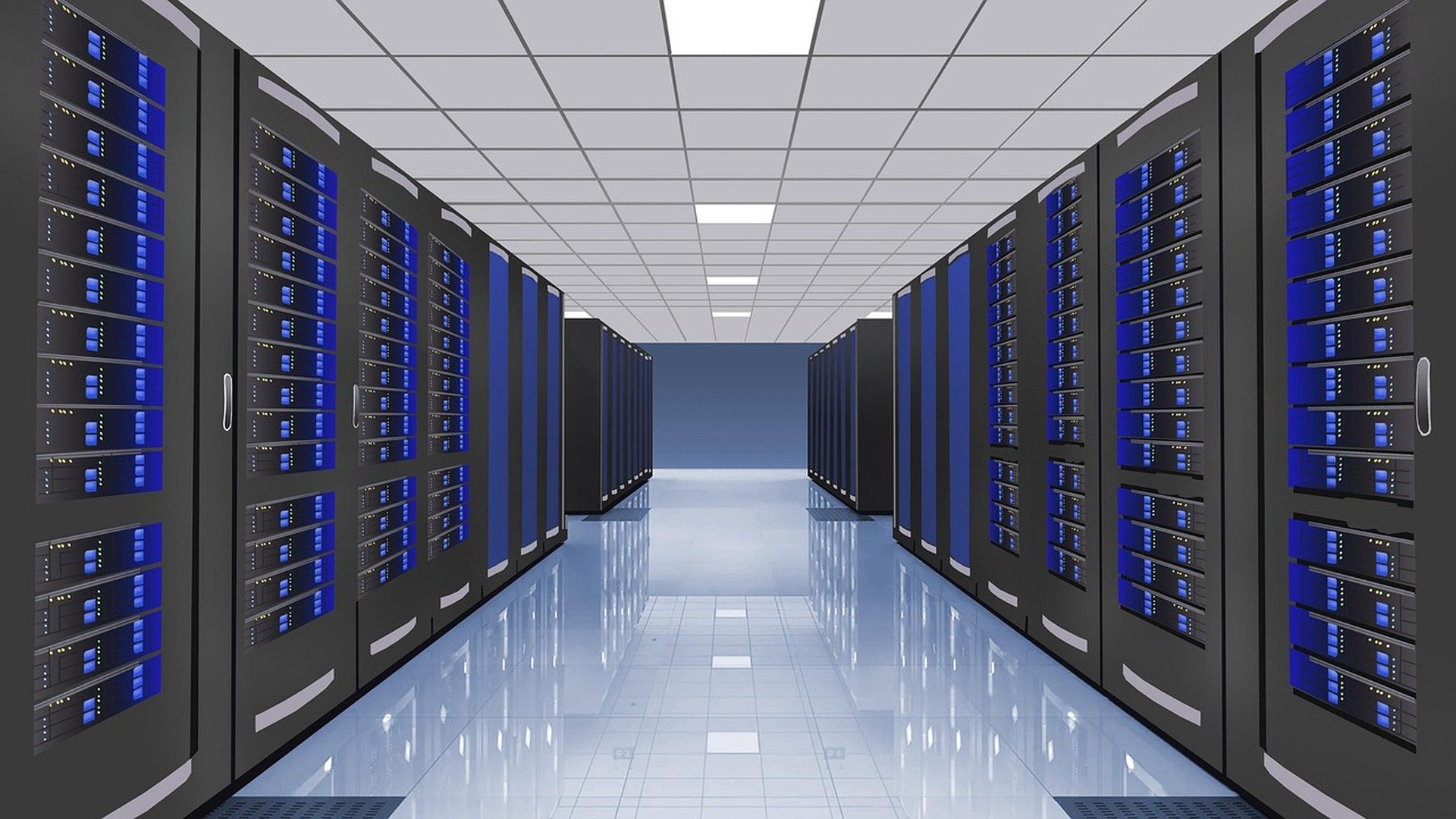
New York data center market activity has shifted from a niche conversation among specialists into a mainstream investment topic. Capital now competes for sites that can host dense computing equipment, and the reasons go well beyond simple square footage. This introduction walks a non expert through the forces that matter, the constraints that bite, and the signals that help an investor decide whether the opportunity fits a portfolio.
Why Capital Keeps Circling New York Facilities
Investors notice that major cloud platforms, financial firms, and artificial intelligence developers all want proximity to users, exchanges, and talent. Latency measured in milliseconds still influences trading systems and real time applications. A facility located near dense business districts can command higher rents than a distant warehouse with identical power specs. At the same time, land scarcity and utility limits keep supply from rising as fast as demand, which supports pricing power for owners who control scarce capacity.
Foundation tracks how these pressures rewrite commercial property values across the metro area. Readers who want a wider real estate context can review How Technology Demand Is Redrawing New York's Commercial Real Estate Map for the broader pattern of conversion and new development. The same forces that empty older offices can fill specialized buildings that deliver reliable megawatts and fiber routes.
Power Delivery as the True Gatekeeper
Electricity is the first filter any serious buyer applies. A data center may draw tens of megawatts on a continuous basis, far more than a typical office tower. In New York that power often travels through the Con Edison network, whose substations and feeders have finite headroom. An investor who ignores interconnection timelines risks years of delay after the land closes.
Local utility planning documents and public filings reveal which zones still have spare capacity and which already operate near peak. Foundation has examined these dynamics in detail under the heading Con Edison Grid Capacity and Its Role in New York Site Selection. Understanding those maps early prevents costly surprises later. Outside the city, other utilities serve Long Island, Westchester, and New Jersey, each with its own queue and tariff rules, so multi jurisdiction portfolios require separate diligence tracks.
Where Physical Sites Can Actually Be Found
Vacant industrial parcels, under used warehouses, and even certain former office assets can host data halls once power and cooling are solved. Yet zoning, flood zones, and community boards add layers of friction. The City of New York publishes land use maps and environmental review guidance that every buyer should consult before writing a letter of intent. Waterfront parcels may face extra scrutiny, while inland industrial corridors sometimes move faster.
Site selection itself follows a checklist that balances fiber routes, risk of flooding, and neighborhood tolerance for generator noise. A practical walk through appears in Site Selection Criteria for Data Centers in the Tri-State Region. Investors who treat that checklist as optional often rediscover it the hard way when a permit stalls or a fiber lateral proves longer than expected.
Cooling Choices That Change Both Capex and Opex
Servers generate intense heat. Removing that heat can consume nearly as much energy as the computing load itself if the design is careless. Air based systems remain common, yet liquid cooling and hybrid approaches gain share as rack densities rise. Each method alters floor loading, plumbing, and maintenance staffing, so capital budgets and operating models shift together.
Newer projects in the region increasingly test advanced methods. Foundation coverage of these engineering trade offs lives at Cooling Technology Choices Shaping New York's Next Data Centers. An investor does not need to design chillers, yet understanding whether a facility can upgrade cooling without a full rebuild protects residual value over a ten year hold.
Artificial Intelligence as the Fresh Demand Spike
Training large models and running inference at scale require clusters of specialized processors that draw power far beyond yesterday's enterprise servers. That surge has compressed vacancy in existing colocation halls and accelerated plans for purpose built campuses. The resulting scramble shows up in land bids, power reservation deposits, and longer lead times for transformers.
Readers seeking the real estate map of this shift can turn to AI Infrastructure Demand Is Reshaping New York's Real Estate Map. The same article explains why some older office towers prove hard to convert while certain industrial shells become prized. Demand from artificial intelligence does not erase traditional cloud or enterprise needs; it stacks on top of them and raises the bar for power density.
Macro Liquidity and the Cost of Debt
Data centers are capital intensive assets. Construction loans, permanent mortgages, and equity preferred returns all feel the interest rate environment. When the US Federal Reserve adjusts policy rates, the cost of leverage for developers and buyers moves in the same direction. Regional conditions add another layer. The Federal Reserve Bank of New York publishes data on credit conditions and regional economic activity that help investors time entries and exits.
Office markets still digest a wave of maturing debt and soft occupancy. That backdrop can free capital for alternative uses and sometimes creates conversion candidates. A focused look at the 2026 horizon appears in Manhattan Real Estate in 2026: Office Dislocation and the Debt Maturity Wave. Cross reading those pressures against data center fundamentals clarifies which assets compete for the same capital pools and which remain distinct.
Risk Factors Beyond the Balance Sheet
Community opposition, lengthy environmental review, and evolving energy policy can lengthen schedules. Climate resilience also matters: facilities near the waterfront must plan for storm surge and higher temperatures that tax cooling plants. Insurance underwriters already price these exposures into premiums, so they surface in underwriting models whether or not an investor notices them first.
Cybersecurity and physical security add operating costs that never appear in a land purchase agreement. Redundant network paths, biometric access, and continuous monitoring staff form part of the total cost of ownership. An investor who underestimates those line items will see net operating income erode after stabilization.
How an Investor Can Stay Oriented
Markets move quickly, yet the underlying constraints of power, land, and regulation change more slowly. Keeping a short list of public data sources, utility interconnection queues, and zoning calendars supplies early warning. Foundation publishes ongoing research across related themes inside the Infrastructure Technology archive. Questions that arise while reading can often be answered through the FAQ (frequently asked questions) page before a deeper dive is needed.
Patience remains a competitive advantage. Sites that appear cheap may hide multi year wait times for power. Premium locations that look expensive may already hold contracted capacity that new competitors cannot match. Matching time horizon, risk tolerance, and technical diligence produces better outcomes than chasing the latest headline rent.
New York data center market participants who treat power maps, cooling roadmaps, and macro rate paths as equal parts of the underwriting package position themselves to separate durable cash flow from temporary scarcity. The opportunity is real, yet it rewards careful homework more than momentum alone.
Readers comparing notes on New York s Data Center Market An Investor s Introduction in New York should keep one dated source list and one named owner for updates so the next review of New York s Data Center Market An Investor s Introduction does not restart definitions. Article reference newyork-072.
Related Foundation reading: Contact and 5G DAS Infrastructure in Manhattan Towers: Capital Flow Patterns to Tr.
Timeless Value. Perpetual Legacy.