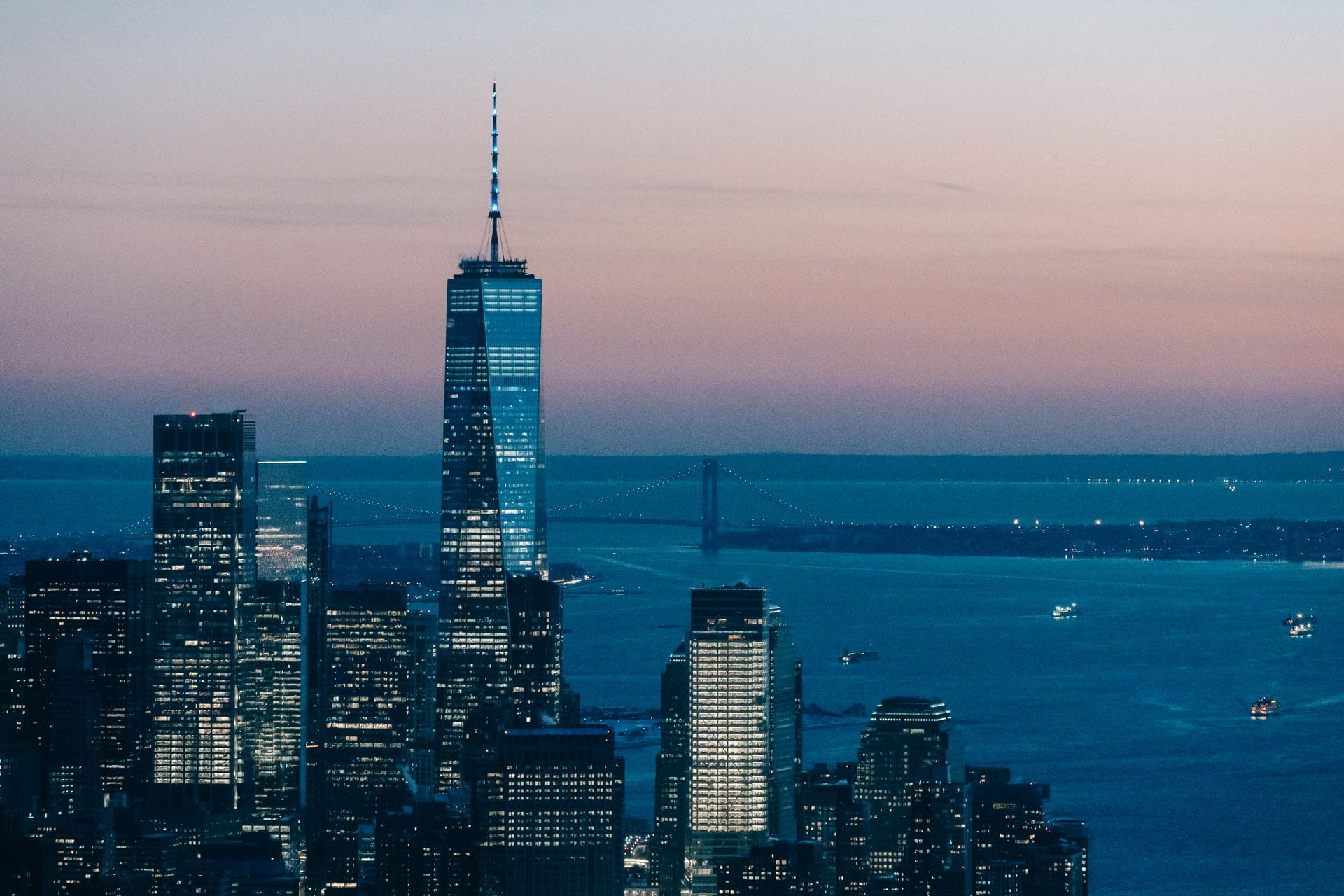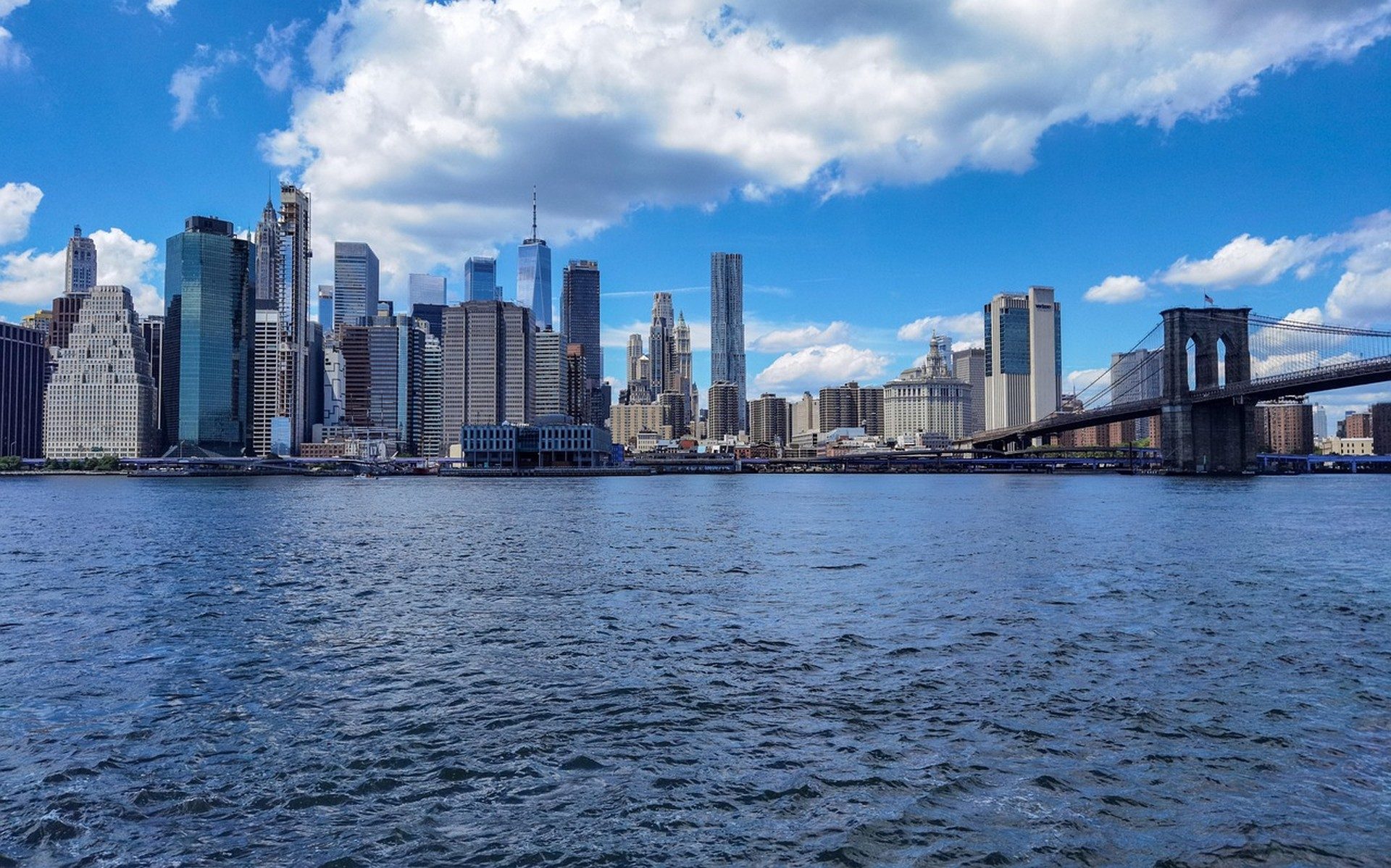
Lower Manhattan sits at the meeting point of the East River, Hudson River, and New York Harbor. Storm surge from a major hurricane can push water several blocks inland, inundating basements, subway tunnels, and electrical vaults. Flood resilience systems combine physical walls, elevated utilities, green infrastructure, and emergency protocols. Understanding who drives those systems helps residents, tenants, and investors see how protection decisions actually get made.
The Unique Flood Exposure of Lower Manhattan's Shoreline
Much of the district rests on landfill created centuries ago. That soft ground settles and transmits water pressure more readily than solid bedrock uptown. During Superstorm Sandy the Financial District and Battery Park City saw water levels that shut down power for days and forced multi-year repairs. Today the same geography remains exposed to both sudden coastal storms and gradual sea-level rise. Any resilience plan must therefore treat the entire waterfront edge as a single continuous risk zone rather than isolated building footprints.
Elevation maps published by local planners show that streets south of Chambers Street and west of Broadway sit within the most frequent surge paths. Buildings that once felt secure at grade now require dry-floodproofing or permanent barriers. Residents learning the newyork it flood resilience lower manhattan basics quickly realize that private capital alone cannot harden an entire shoreline; public coordination is essential.
City Agencies That Set Rules and Fund Barriers
The City of New York holds primary responsibility for zoning, building codes, and capital projects that protect public streets and parks. The Department of City Planning updates flood-zone maps, while the Department of Buildings enforces elevation and waterproofing requirements for new construction and major renovations. The Economic Development Corporation often manages large waterfront contracts such as the East Side Coastal Resiliency project.
Officials publish progress reports and bid documents on the City of New York website so that citizens can track timelines and budgets. Those same agencies also negotiate with utility companies to raise critical substations above expected flood elevations. Without their regulatory power, private developers would face inconsistent standards from one block to the next.
Property Owners and Building Managers on the Waterfront
Landlords of commercial towers, residential co-ops, and condominium boards carry the day-to-day duty of keeping individual structures dry. Many have already installed lobby floodgates, backflow valves, and elevated mechanical rooms after learning hard lessons in 2012. Insurance carriers now demand detailed resilience audits before renewing policies, so owners invest in both hardware and staff training.
Office landlords considering conversion projects pay special attention to these upgrades because residential tenants expect continuous power and dry living spaces. Insights from the PropTech for Office-to-Residential Conversions: 2026 Data and Macro Context discussion show how sensor networks and automated pumps are becoming standard line items in capital budgets. Building managers also coordinate with neighboring properties so that a temporary barrier on one lot does not simply divert water onto the next.
Engineers and Design Firms Crafting Physical Defenses
Structural and coastal engineers translate risk data into concrete and steel. They design deployable flood walls, permanent berms, and elevated plazas that double as public space. Landscape architects add bioswales and absorbent parks that slow runoff during ordinary rain while still functioning under extreme surge. These professionals work under contracts issued by both city agencies and private owners.
Their models draw on decades of tide-gauge records and climate projections. When a design reaches final review, community boards and the Public Design Commission examine aesthetics and street access. The best schemes remain invisible most of the year yet can be activated within hours when a storm approaches.
Community Boards and Neighborhood Advocates Shaping Priorities
Lower Manhattan residents speak through Community Boards 1 and 2, which hold public hearings on every major resilience proposal. Advocates from tenant associations, small-business groups, and environmental nonprofits push for solutions that protect housing affordability and preserve waterfront access. They often demand that temporary construction disruption be minimized and that long-term maintenance funding be locked in before ground is broken.
These voices prevent purely technical plans from overlooking human needs. A berm that blocks views or cuts off a ferry landing may satisfy an engineer’s model yet fail the community test. Successful projects therefore iterate through multiple public comment periods, incorporating local knowledge of which basements flooded first and which streets become evacuation bottlenecks.
State and Federal Partners Supplying Capital and Science
New York State contributes matching funds and technical support through its Division of Homeland Security and Emergency Services. At the federal level, housing and urban development research guides grant eligibility for multi-family buildings. Readers can consult HUD User research for data on how flood mitigation affects housing stock longevity and insurance costs.
The Federal Reserve Bank of New York tracks the broader economic exposure of the region’s financial sector to climate risk. Its reports, available via the Federal Reserve Bank of New York, help quantify the potential losses that resilience investments are meant to avoid. International perspectives from IMF publications further place New York’s challenges in the context of other coastal financial centers facing similar pressures.
How Technology Firms Fit Into Daily Resilience Work
Sensor companies install water-level monitors that feed real-time alerts to building control rooms and city emergency managers. Software platforms map underground utility lines so that crews know which valves to close first. Battery systems keep elevators and sump pumps running even if the grid fails; the signals worth tracking appear in the piece on Battery Storage for High-Rise Buildings: Signals Worth Tracking.
Data centers and AI clusters now consume significant power in Midtown and beyond. Their location decisions increasingly factor flood risk, as outlined in AI Infrastructure Demand Is Reshaping New York's Real Estate Map. Proptech vendors also help property managers model the return on resilience upgrades, turning once-opaque capital decisions into clear cash-flow projections.
Coordination Gaps That Still Delay Progress
Despite clear stakeholder lists, timelines often slip when funding streams arrive on different schedules or when one agency’s design standard conflicts with another’s. Private owners may complete their own defenses years before a public berm reaches their block, leaving temporary vulnerabilities. Workforce shortages in specialized trades further stretch construction calendars.
Investors watching nearby districts notice similar patterns. The repositioning stories covered in NoMad and Midtown South Repositioning Trends Investors Watch and the broader lessons of Hudson Yards Repositioning Strategy: What New Readers Should Know both underscore that resilience is now a core underwriting factor rather than an afterthought. Readers seeking deeper technical background can browse the Infrastructure Technology archive or start with the practical answers collected in the FAQ (frequently asked questions). Ongoing coverage lives on the main Blog, where new project milestones and policy shifts appear regularly.
Lower Manhattan’s flood resilience will never be finished in a single capital cycle. Stakeholders must keep talking, funding, and adapting as sea levels continue to rise and storms grow more intense. Clear roles and open data remain the best tools for keeping the district dry and open for business.
Readers comparing notes on Flood Resilience Systems for Lower Manhattan Who the in New York should keep one dated source list and one named owner for updates so the next review of Flood Resilience Systems for Lower Manhattan Who the does not restart definitions. Article reference newyork-238.
Related Foundation reading: Foundation Israel.
Timeless Value. Perpetual Legacy.