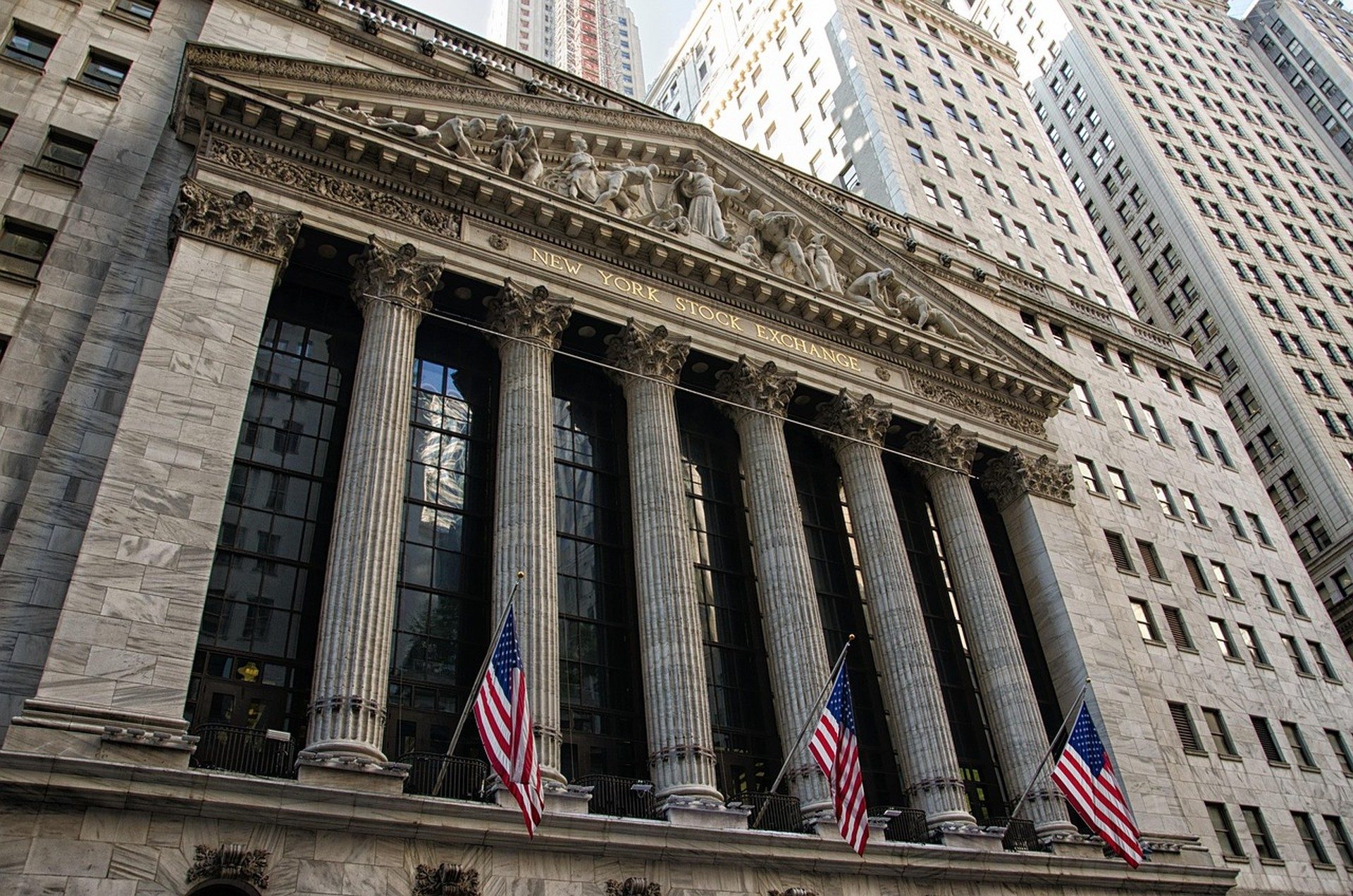
Landmark towers across New York still move people with machinery designed for lighter foot traffic and simpler codes. Institutions that hold or finance these assets now treat elevator performance as a live demand signal rather than a background maintenance item. When wait times lengthen or ride quality slips, capital conversations shift from optional upgrades to timed necessity.
Modernization is never purely technical in a protected structure. Every decision collides with preservation rules, tenant expectations, and the capital calendar. The following sections unpack the concrete indicators that portfolio managers and lenders watch when elevator work moves from wish list to mandate.
Waiting Times That Quietly Reshape Asset Value
Visitors notice first. A sixty-second delay at the lobby feels longer inside a limestone landmark than inside a glass tower. Ownership teams track average peak-hour wait times against industry benchmarks because those seconds translate into renewal risk. When data shows repeated clusters above forty-five seconds, the asset begins to look dated even if the lobby marble still gleams.
Institutions compare these numbers across their New York holdings. Buildings that consistently underperform become candidates for accelerated capital plans. The same teams also watch after-hours patterns; late-night waits can signal that residential or hotel components are outgrowing the original bank of cars. Early detection keeps the conversation proactive rather than reactive.
Landmark Codes Versus Modern Traffic Loads
Historic designation freezes exterior appearance and often interior character, yet daily occupancy has changed. Offices once filled by clerks now host denser tech or life-science users. The original elevator cores were never sized for current density. Institutions therefore map current passenger volume against the capacity of the existing machines and the physical constraints of the shaft.
Approval pathways run through the City of New York landmark and building departments simultaneously. The dual review can stretch schedules by months. Smart owners bring both preservation architects and vertical-transportation consultants into the first design charrette so that aesthetic requirements and performance goals stay aligned from day one.
Shaft enlargement is rarely possible without structural surgery that risks landmark status. Most modernization therefore stays inside the existing footprint, which limits car size and speed gains. The resulting engineering trade-offs become part of the investment thesis that credit committees must accept.
Signals Institutions Track Before Approving Capital
Beyond raw wait times, ownership groups examine three quieter indicators. First is the volume of service tickets logged by building staff. A rising curve of door-releveling complaints or mid-floor stalls often precedes a major overhaul request. Second is energy consumption per trip; older hydraulic and geared machines draw far more power than modern regenerative drives. Third is the spare-parts inventory list: when critical components require custom fabrication because the original manufacturer no longer supports the model, risk of prolonged downtime spikes.
Lenders review the same three series when underwriting refinancings. A building that shows clean elevator data can often secure tighter spreads. One that shows rising tickets and obsolete parts may face higher reserves or even delayed closing. For a broader view of how capital markets treat trophy assets under similar pressure, see the analysis of Trophy Asset Refinancing Ladders: Global Market Comparison.
Macro conditions also color the decision. Research desks consult US Federal Reserve rate paths and Federal Reserve Bank of New York regional surveys to judge whether the next eighteen months favor large capital outlays. Soft growth outlooks can push modernization into later years even when the technical need is clear.
Ride Quality Data That Surprises Ownership Committees
Modern sensors capture vibration, acceleration, and noise in real time. Many landmark boards discover that their elevators produce ride profiles far outside current comfort envelopes. Horizontal sway or abrupt leveling that tenants once accepted as “character” now registers as unacceptable for institutional tenants who compare every building against newer stock.
Third-party ride-quality audits therefore appear with increasing frequency in capital budgets. The reports give non-technical directors a simple traffic-light score that can accelerate board approval. When scores remain red for more than two consecutive quarters, modernization proposals move from discussion to authorization.
Some owners pair ride data with visitor sentiment pulled from anonymous surveys. A drop in “ease of arrival” scores often correlates with measurable vibration spikes. The combination of hard sensor output and soft human feedback forms a persuasive package for capital allocation.
Coordination With Other Building Systems
Elevator shafts share walls, power feeds, and fire-protection risers with other critical systems. A modernization that ignores those interfaces creates change orders and schedule slips. Teams that have already planned life-science conversions know this well; the same duct and electrical corridors often serve both HVAC upgrades and elevator machine rooms. Insights from HVAC Retrofits for Life Sciences Conversion: Metrics That Move Headlines therefore transfer directly to vertical-transportation planning.
Power quality is another shared constraint. Regenerative elevator drives can return electricity to the building grid, yet older switchgear may not handle the reverse flow without upgrades. Coordinating electrical modernization with elevator work avoids installing temporary generators or later rewiring. Institutions that maintain a single capital-projects dashboard catch these overlaps early.
Digital twin models now help visualize the interaction. When an AI-driven demand forecast shows higher elevator usage because of new data-center tenants or denser office floors, the same model flags concurrent loads on chillers and transformers. Readers exploring how compute demand rewrites building priorities can consult AI Infrastructure Demand Is Reshaping New York's Real Estate Map.
When Modernization Bids Reflect Broader Market Stress
Bid packages themselves carry market information. A sudden spike in elevator-modernization pricing across Midtown can signal contractor capacity constraints or rising copper and steel costs. Institutions track unit pricing from successive bid rounds the same way they track construction inflation on larger projects. Persistent elevation in elevator packages often precedes wider capital-cost pressure.
Transaction teams also watch how elevator condition affects trophy-asset sales. Buyers discount buildings whose cars still run on obsolete controllers, especially when comparable assets already feature destination-dispatch systems. The relationship between vertical-transportation quality and deal velocity appears in the latest Manhattan Trophy Asset Transaction Volume: Regulatory Briefing for Institutions.
Global capital allocators further cross-check local bid trends against macroeconomic research published by the IMF publications desk. Soft demand in one region can free contractor capacity that later migrates to New York, lowering future bid levels. Conversely, synchronized global strength can tighten local labor markets and extend lead times.
New York Specific Approvals That Extend Timelines
Landmark filings require detailed drawings of every visible interior change, including new call buttons and cab finishes. The Landmarks Preservation Commission can request revisions that force redesign of the control system interface. Owners who budget only for mechanical work routinely underestimate this aesthetic negotiation.
Fire and accessibility codes add further layers. Modern elevators must meet current Americans with Disabilities Act standards and firefighter emergency operation rules that did not exist when the building opened. Retrofitting these features inside a protected cab often requires custom engineering that lengthens fabrication schedules. Early engagement with code consultants reduces the surprise factor.
Air-rights transactions can complicate the picture when an adjacent development proposes a shared lobby or through-block connection. Elevator banks that once served a single address may need reprogramming or physical reconfiguration. Teams evaluating Midtown assemblage opportunities find useful context in Air Rights Assembly in Midtown: 2026 Data and Macro Context.
How Refinancing Windows Interact With Elevator Work
Loan maturities create hard deadlines. Lenders often require evidence that major deferred maintenance will be cured before or shortly after closing. Elevator modernization frequently sits high on that list because of its effect on both safety and marketability. Ownership that can show signed contracts and progress photos strengthens its refinancing package.
Some institutions time the work to coincide with interest-rate cycles. When the US Securities and Exchange Commission filings of public REITs reveal peers accelerating vertical-transportation projects, private owners take note. Parallel spending can signal that the market has priced modernization into valuations and that delay may erode competitive position.
Documentation also matters for future buyers. A complete modernization file, permits, as-built drawings, and performance-test results, travels with the asset and supports higher pricing. Incomplete files raise diligence questions that slow closings. Keeping the archive current is therefore both an operational and a liquidity discipline.
Further technical reading on related building systems lives in the Infrastructure Technology archive. Common questions about capital-planning process and regulatory sequencing appear in the FAQ (frequently asked questions). Ongoing coverage of market and technology intersections continues on the Blog.
Elevator modernization in landmark buildings is never just about faster cars. It is a demand signal that institutions decode for asset health, capital timing, and competitive positioning. Owners who treat the data as strategic intelligence rather than maintenance trivia preserve both the building’s heritage and its economic vitality.
Timeless Value. Perpetual Legacy.